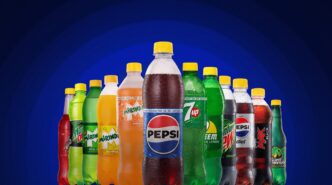
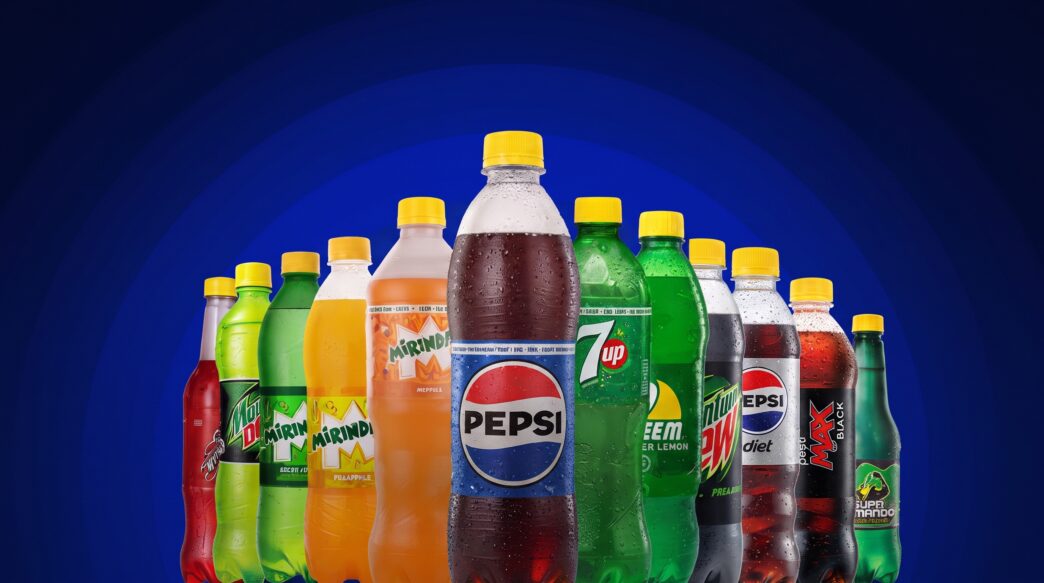
Seven-Up Bottling Company (SBC) has introduced yellow-capped bottles across some of its popular beverage brands, including Pepsi, Mirinda, 7UP, Teem and Supa Komando, as part of a teaser campaign for an upcoming consumer initiative.
The unusual packaging has attracted attention among shoppers, prompting questions about the change and speculation about what the company may be planning.
SBC has confirmed that the yellow caps are genuine and temporary, reassuring consumers that there is nothing wrong with the affected bottles.
The company has not yet disclosed the purpose of the initiative, saying the caps are being used in selected regions ahead of an announcement expected in the coming days.
What SBC Has Revealed So Far
The yellow caps first appeared on bottles in retail outlets, where their departure from the familiar packaging of the drinks prompted consumers to seek explanations. SBC subsequently addressed the curiosity through a post on its official Instagram page, hinting that something exciting was coming for consumers.
Although the company has confirmed that the packaging change is intentional, it has yet to reveal whether the initiative involves a consumer promotion, a reward programme, a new offer or another marketing activity.
The campaign has also generated reactions on social media, with consumers expressing enthusiasm and encouraging the company to make its announcement. While these responses indicate early interest, the scale of the campaign’s reach and the level of consumer participation have not been disclosed.
The choice to introduce the same distinctive cap colour across several brands is particularly notable. Pepsi, Mirinda, 7UP, Teem and Supa Komando serve different consumer preferences, but the shared packaging element creates a visible connection between them.
This could allow SBC to build awareness across multiple products through a single campaign idea. However, the company has not confirmed whether the initiative covers its wider beverage portfolio or only the selected brands and regions where the yellow caps have appeared.
SBC produces and distributes several beverages in Nigeria, including Mountain Dew, Lipton Iced Tea and Aquafina bottled water, alongside the brands featured in the teaser. In 2021, the company refreshed its corporate identity as part of its stated ambition to become Africa’s biggest consumer goods company.
Why the Yellow-Cap Teaser Could Work
Teaser campaigns are designed to generate curiosity before a brand reveals the full details of an announcement. Rather than communicating an entire message immediately, a company introduces a recognisable clue that encourages consumers to pay attention, ask questions and speculate about what comes next.
In SBC’s case, the yellow cap is a simple but visible device. It changes a familiar product without replacing the brand identity consumers already recognise.
Because the cap appears on bottles in shops, the campaign can reach consumers during ordinary shopping trips, potentially extending its visibility beyond the company’s owned social media channels.
The approach also gives the campaign an opportunity to generate organic conversation. Consumers who notice the packaging may ask retailers about it, share photographs online or discuss possible explanations with friends. These interactions can extend awareness without every exposure requiring a paid advertisement.
Using several established brands may widen that effect. Instead of relying on a single product to attract attention, SBC can place the campaign in front of consumers who buy different drinks within its portfolio. The shared visual cue could also make the initiative easier to recognise across retail outlets.
However, consumer curiosity is only the first stage of a successful campaign. The commercial value depends on what happens when the company reveals its offer.
If the announcement provides a compelling reason to participate, purchase or engage with the brands, the teaser can serve as an effective introduction to a larger campaign.
If the reveal offers little value beyond the novelty of the packaging, the attention may not translate into stronger consumer engagement or sales.
Consumer Trust and the Reveal Will Determine the Impact
One immediate challenge with unusual packaging is the possibility of confusion. Consumers are accustomed to recognising products through their labels, colours, bottle shapes and other familiar features. A sudden change can prompt questions about authenticity, quality or whether a product has been tampered with.
SBC’s reassurance that the yellow caps are genuine is therefore an important part of the campaign. A teaser should create questions about an upcoming initiative, not uncertainty about the safety or authenticity of the product itself.
The company will also need to communicate consistently with retailers and distributors. Shop owners may be among the first people consumers approach for an explanation, particularly in areas where the yellow-capped bottles have appeared without a wider public announcement.
Providing retailers with clear information would help ensure that customers receive consistent answers. This is especially relevant because the caps are reportedly appearing only in selected regions.
Without adequate communication, consumers elsewhere may encounter the campaign online but be unable to find the affected bottles in their local shops.
Timing is another consideration. Teaser campaigns depend on maintaining interest between the first hint and the final reveal. If the gap becomes too long, curiosity can fade.
Equally, an extended period of speculation can create expectations that the eventual announcement struggles to meet. SBC must balance the desire to build anticipation with the need to maintain consumer confidence.
The campaign arrives in a competitive beverage market where brands are continually seeking ways to attract attention, strengthen consumer relationships and protect their positions at retail.
For SBC, the yellow caps offer a distinctive way to make several familiar products stand out without immediately explaining the full initiative.
For now, the yellow caps have achieved an initial objective: they have made consumers notice the products and ask questions. Whether that attention becomes a meaningful marketing success will depend on what follows.
A strong reveal could turn the packaging change into a launchpad for a promotion, reward programme or other initiative that encourages consumers to interact with SBC’s brands.
The company would then need to measure more than social media reactions, examining indicators such as participation, sales performance, repeat purchases and the campaign’s reach across participating regions.
The yellow caps have created curiosity, but curiosity is not the final measure of success. SBC’s announcement must now deliver a clear proposition that rewards consumer attention and gives shoppers a reason to engage beyond the initial surprise.