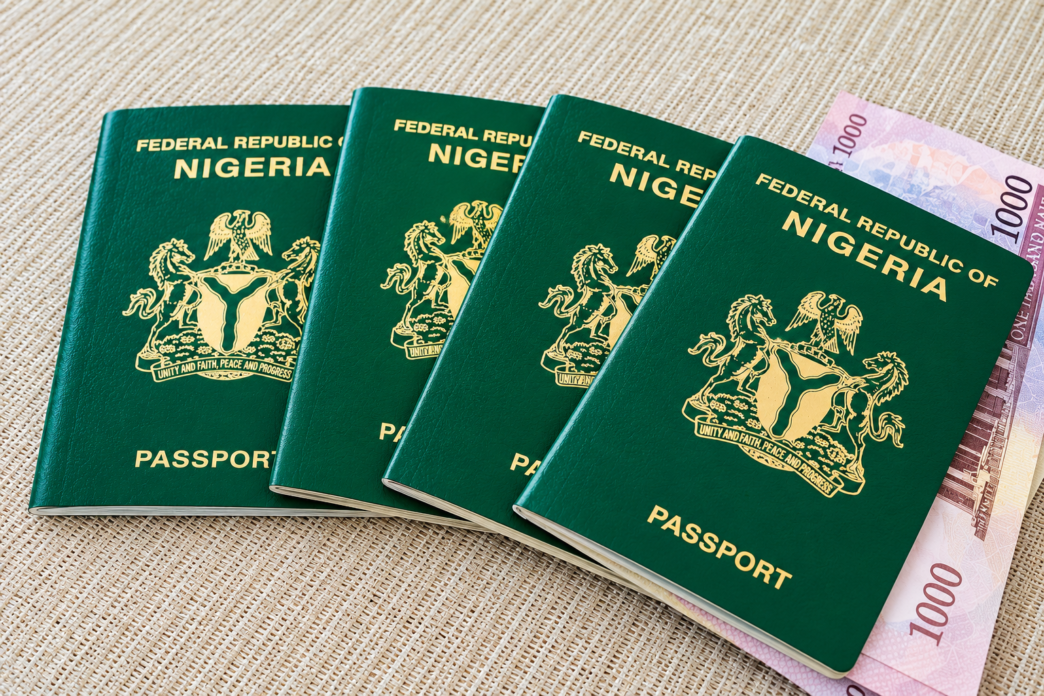
Nigeria’s passport has been ranked 181st out of 196 countries in the latest IziVisa Passport Ranking Index, while the October edition of the Henley Passport Index places it 92nd.
The gap between the two positions is striking, but it reflects differences in how the indexes measure travel access. Both, however, draw attention to a practical challenge: Nigerian travellers still face significant restrictions when planning international trips.
A passport is more than a travel document. It is one of the most tangible representations of a country’s international standing. It determines how easily citizens can cross borders, pursue opportunities and participate in the global economy.
In that sense, a passport ranking is also a measure of how much mobility a country’s citizens enjoy.
For Nigeria, the numbers raise a question that extends beyond travel: what does the country’s passport communicate about its standing in the world, and what would it take to improve that position?
What the Rankings Say About Nigeria’s Global Mobility
According to the latest IziVisa figures, Nigerian passport holders can enter 24 destinations without a visa, obtain visas on arrival in 16 countries and access another 43 through electronic visas.
These categories offer different levels of convenience. Visa-free entry requires no visa, a visa on arrival is obtained at the destination, while an eVisa generally requires an application and approval before departure.
At the top of the IziVisa ranking, the United Arab Emirates leads, with access to 185 of 198 destinations across the index’s travel-access categories. Switzerland also ranks among the strongest passports, with 120 visa-free destinations, 26 offering visas on arrival and 37 accessible through eVisas.
Henley’s figures present a different picture of Nigeria’s position. Its July 2026 edition ranked the country 90th out of 199 passports, with access to 44 destinations without a traditional visa in advance. The October edition placed Nigeria 92nd, with access to 45 destinations.
The two indexes use different methodologies, particularly in how they treat electronic visas and other travel authorisations. Their rankings are therefore not directly interchangeable. A passport can occupy very different positions depending on which forms of access an index counts.
That distinction matters. Ranking headlines can attract attention, but the underlying measures tell a more useful story. The practical question is not simply whether Nigeria ranks 181st or 92nd. It is how easily Nigerians can travel for education, business, tourism and family commitments, and whether that access is improving.
The implications extend beyond individual travellers. International mobility is part of economic participation. Entrepreneurs attend trade fairs, professionals travel for training, companies meet prospective partners and students pursue opportunities abroad. Visa applications introduce costs, administrative demands and uncertainty that can make these activities more difficult.
The planned increase in Turkish Airlines’ Lagos services from seven to 10 weekly flights from December 11, 2026, illustrates the continuing importance of international connectivity.
More flights can provide additional travel options, but air connectivity and visa access are separate issues. An available seat does not guarantee that a traveller will receive permission to enter the destination.
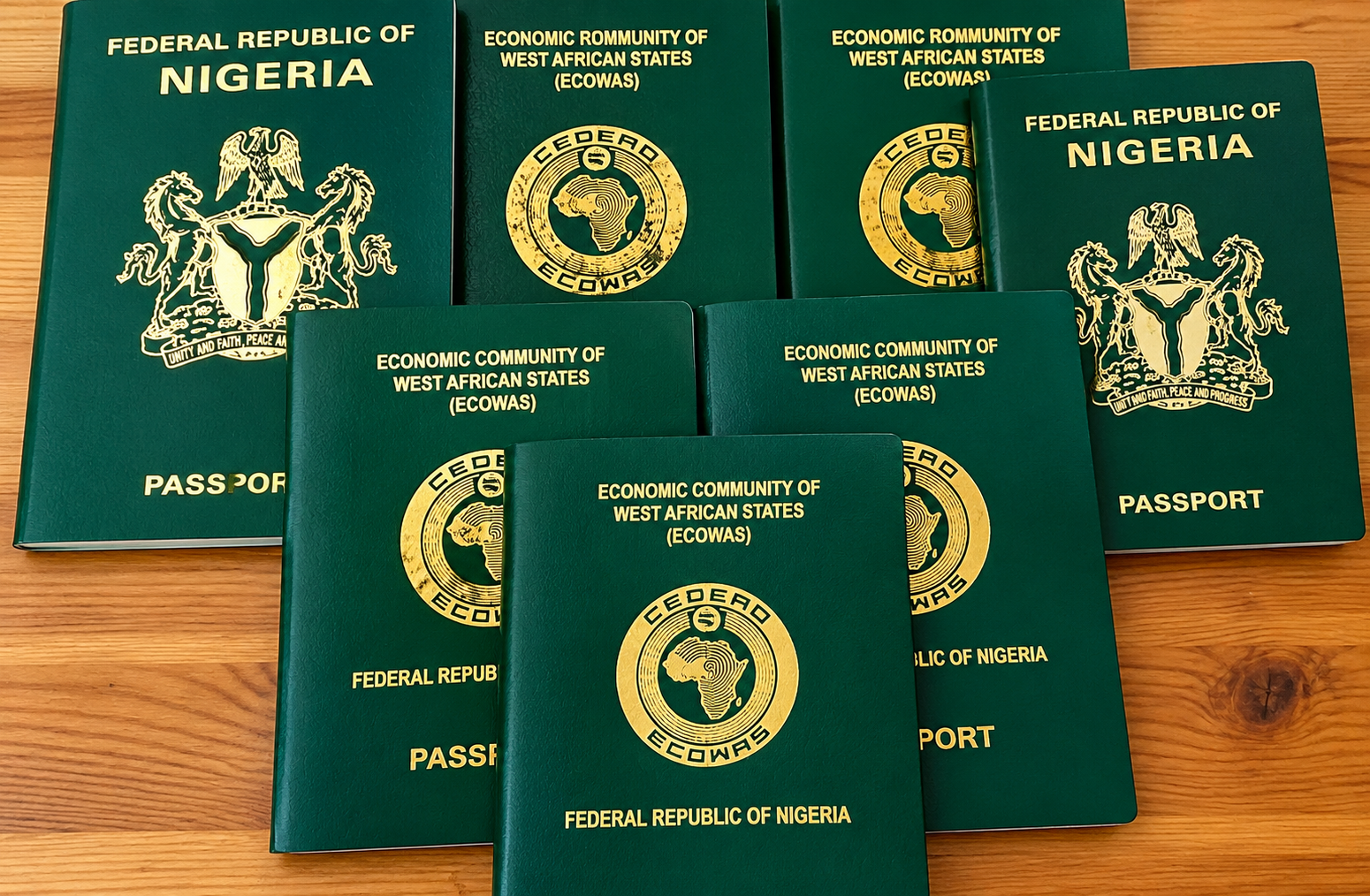
The Passport as a National Brand
A country’s brand is shaped by more than its advertising, tourism campaigns or international public relations. It is also influenced by the everyday experiences people have with its institutions, businesses and citizens.
A passport is part of that experience. Visa-free access can reflect diplomatic agreements, reciprocal arrangements and the confidence governments place in one another’s travel documents and visitors.
Visa restrictions, however, can arise from several factors, including immigration policy, security assessments, migration patterns and bilateral relations. They should not be reduced to a simple judgment about a country’s reputation.
Even with those qualifications, international mobility contributes to a country’s image. The ease with which citizens travel can affect perceptions of opportunity, access and international integration.
It can also influence how attractive a country is as a base for businesses whose employees, suppliers and customers need to move across borders.
This is where nation branding becomes more than a communications exercise. A country cannot advertise itself as open for business while ignoring the practical barriers that prevent its citizens and companies from participating easily in international markets.
Tourism campaigns and investment promotions may attract attention, but institutional performance and diplomatic relationships help determine whether the promise is realised.
For Nigeria, improving passport access requires sustained diplomatic engagement. The government can identify countries that matter most for trade, education, tourism and investment, then pursue reciprocal visa arrangements where there is a clear mutual benefit.
Stronger economic partnerships may create opportunities for easier travel, although trade relationships do not automatically translate into visa waivers.
The quality and security of travel documents also matter. Reliable identity systems, secure passport issuance and effective cooperation with international partners can support confidence in the documents Nigerian citizens carry.
Travellers, in turn, have a responsibility to comply with visa conditions and immigration rules. Their conduct is one part of the wider picture, even though individual behaviour alone cannot determine a passport’s global ranking.
The private sector has a role as well. Nigerian companies operating internationally can strengthen the country’s reputation by delivering quality, meeting contractual obligations and building dependable partnerships.
Success stories from industries such as fintech, film, music and technology can help shape international perceptions of Nigerian capability.
They cannot substitute for government action on mobility, but they can contribute to a broader reputation for reliability and competence.
Turning the Report Card Into Progress
The next step is to move beyond reacting to rankings and focus on measurable improvements. The government can set clear priorities for visa negotiations, strengthen passport administration and communicate progress transparently.
It can also work with relevant partners to reduce unnecessary friction in legitimate travel while maintaining the security standards expected of an internationally recognised travel document.
Businesses can support this effort by helping employees prepare accurate travel documentation, comply with destination-country requirements and plan international assignments realistically.
Industry associations can identify recurring barriers affecting trade, investment and professional mobility, then raise those issues through appropriate diplomatic and commercial channels.
Progress should be measured in practical terms: new reciprocal visa agreements, more destinations offering easier access, more efficient passport services and fewer avoidable administrative obstacles for legitimate travellers.
Changes in international rankings can provide a useful signal, but the rankings should not become the only measure of success.
It is also important to recognise that improvements may take time. Visa policies are determined by other sovereign governments, and Nigeria cannot unilaterally decide the entry conditions imposed on its citizens. What it can do is pursue mutually beneficial agreements, build institutional credibility and address the factors within its control.
The passport report card is not a final verdict on Nigeria or its people. It is a snapshot of the travel access available to Nigerian citizens under particular measurement systems. The difference between the IziVisa and Henley rankings reinforces the need to understand what the numbers represent before drawing conclusions.
Still, the underlying challenge deserves attention. International mobility affects personal opportunity, business competitiveness and the country’s connection to the wider world. Improving it will require more than a stronger national image; it will require policies, institutions and partnerships that produce tangible results.
A passport carries a country’s name, but its strength is shaped by relationships and decisions that extend far beyond the document itself.
Nigeria’s task is to turn its ambition for a stronger global presence into greater practical freedom for its citizens to travel, work, learn and do business.