

Visa has announced the availability of Google Pay in Nigeria through its partnership with Google and participating financial institutions, giving eligible cardholders a new way to make payments using compatible Android devices.
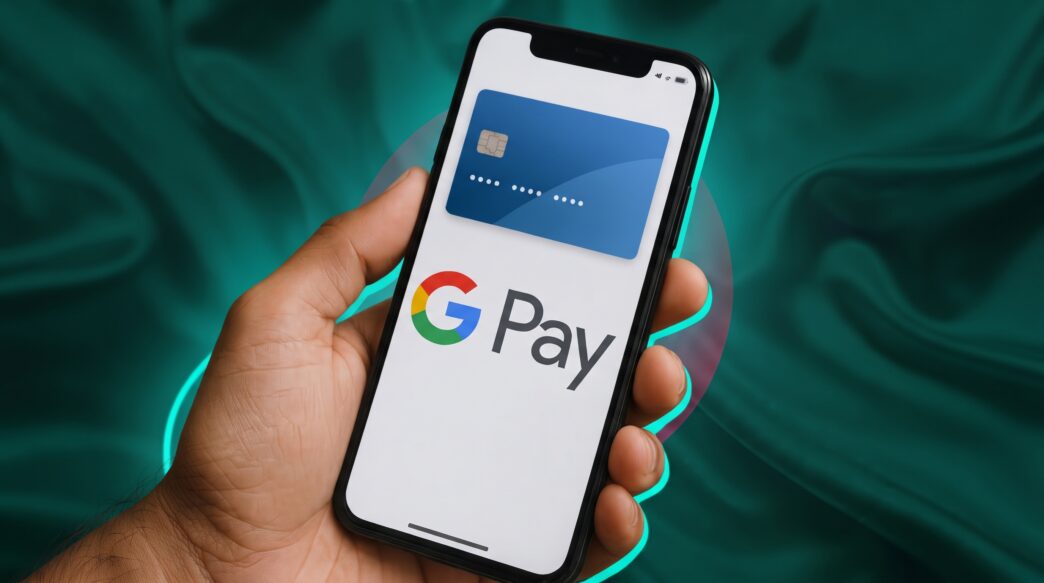
The service allows customers to add supported Visa cards to Google Wallet and use their phones to pay at contactless terminals and online merchants that accept Google Pay.
The launch adds another option to Nigeria’s expanding digital payments market, where bank transfers, cash and conventional card payments remain widely used.
However, access is not automatic for every Visa cardholder. The service depends on the issuing bank, the type of card, device compatibility and whether a merchant supports the relevant payment method.
How Google Pay Works for Nigerian Cardholders
Customers with eligible cards from participating financial institutions can add them to Google Wallet by downloading the app, selecting the option to add a payment card and following the verification instructions.
For in-store payments, users need a compatible Android phone with near-field communication (NFC), the technology that allows devices to exchange information when held close to a contactless terminal. Once the card is set up, customers can tap their phones at supported payment terminals without presenting the physical card.
Google Pay can also be selected at online checkouts and in supported apps. Google Wallet offers additional functions, including the storage of loyalty cards, event tickets and boarding passes.
Google’s published list of supported Nigerian payment cards includes products from FirstBank, Guaranty Trust Bank (GTBank), United Bank for Africa (UBA) and Zenith Bank.
However, the eligible card types differ across the institutions. The initial support list is weighted towards Mastercard products, with UBA’s Visa prepaid card among the Visa options currently listed.
This distinction is important because a bank’s participation does not mean every card it issues can be added to Google Wallet. Customers should check Google's supported payment methods and confirm eligibility with their issuing bank before attempting to set up the service.
The launch also involves payment infrastructure providers, including Mastercard and Interswitch, whose roles in the wider rollout help connect financial institutions and payment networks to the digital wallet ecosystem.
Visa’s Vice President and Cluster Head of Visa West Africa, Andrew Uaboi, said the launch reflects the company’s commitment to improving payment experiences for consumers in Nigeria and other markets.
Google has also highlighted the security features built into the service. Google Pay uses tokenisation, which replaces sensitive card details with a digital token during payment transactions.
This helps reduce the exposure of the customer's actual card number when making payments.
Why the Launch Matters for Nigeria’s Payments Market
Google Pay's arrival gives Nigerian consumers another way to use payment cards, but its wider significance will depend on whether it can encourage more people to adopt contactless payments.
Contactless technology is not entirely new to Nigeria. Cards and payment terminals with tap-to-pay capabilities have been available in the market, but the presence of the technology has not automatically translated into widespread consumer use.
A mobile wallet could help address part of that adoption challenge. Smartphones are central to how many consumers communicate, shop and manage their finances. Allowing users to make payments with a device they already carry could make contactless transactions more familiar and convenient.
The launch also gives banks an opportunity to extend the usefulness of their cards beyond conventional physical payments. Institutions that enable eligible products can offer customers another payment option while strengthening their digital banking propositions.
For merchants, the opportunity is more conditional. In-store tap-to-pay requires a payment terminal with NFC capability, and the feature must be enabled and supported by the merchant's payment provider. Businesses without compatible terminals will not immediately benefit from the service's contactless functionality.
This creates an important distinction between the availability of a digital wallet and the readiness of the wider payments ecosystem.
Google Pay may be accessible to eligible consumers, but the everyday experience will depend on how many merchants can accept it.
Online payments could provide another route to adoption, particularly where Google Pay appears as a checkout option. For e-commerce businesses and digital service providers, an additional payment method could make checkout more convenient for customers who prefer using a saved payment credential rather than entering card details manually.
Adoption Will Depend on Access and Trust
The initial rollout also raises questions about how widely the service will be available across Nigeria's banking and payments landscape.
Although four major banks appear on Google's supported list, the range of eligible products remains limited. Customers using unsupported cards, domestic card schemes or payment products issued by other providers may have to wait for further integrations.
That could affect the speed of adoption. A digital wallet becomes more useful when consumers can connect the payment cards they already use.
Wider participation from banks and card issuers would therefore be important to expanding access beyond the initial group of eligible customers.
Merchant acceptance is another challenge. Consumers are less likely to develop a habit of tapping their phones if they frequently encounter payment terminals that do not support contactless transactions or staff who are unfamiliar with the process.
Merchants and payment service providers will need to make the technology accessible and ensure that customers can use it reliably.
Security and customer education will also influence trust. Banks and payment providers must explain how tokenisation works, how transactions are authenticated and what customers should do if a phone is lost or stolen.
Clear guidance on monitoring transactions and disabling access to a lost device can help address concerns.
The next meaningful indicators will go beyond the number of banks announcing support. The number of eligible cards successfully added, the volume of transactions made through the wallet, merchant acceptance and repeat usage will provide a clearer picture of whether the launch is changing payment behaviour.
For now, Google Pay gives eligible Nigerian cardholders another way to make payments using devices they already own. But the success of the launch will depend on more than the convenience of tapping a phone.
Wider card eligibility, reliable merchant acceptance and consumer confidence will determine whether the service becomes part of everyday payments in Nigeria.