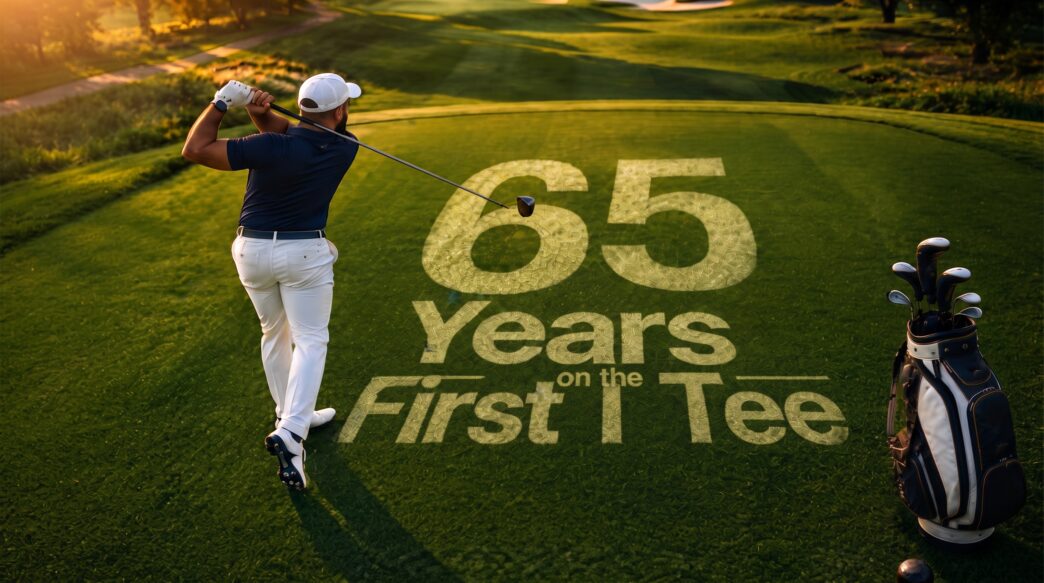
The 65th edition of the FirstBank Lagos Amateur Open Golf Championship will hold in November at the Golf Section of Ikoyi Club 1938 in Lagos. FirstBank of Nigeria Limited has sponsored the tournament continuously for 65 years through its first@sports initiative, making it one of Nigeria’s longest-running corporate sports sponsorships.
That record is rare in marketing. Sponsorship budgets change, executives move on, strategies shift and new opportunities compete for attention. Few partnerships survive those pressures for decades.
FirstBank’s achievement deserves recognition, but longevity alone is not enough. A 65-year sponsorship must continue to create value for the sport, its participants and the brand behind it.
What 65 Years of Commitment Has Built
The championship has become a platform for emerging Nigerian and international amateur golfers to sharpen their skills and prepare for professional careers.
Its recognition by the World Amateur Golf Ranking (WAGR) is significant because eligible performances can earn players valuable ranking points, helping connect a local competition to the wider international golfing community.
For FirstBank, that connection creates a distinctive brand asset. Repeated association builds familiarity, and familiarity can become an enduring mental link between a brand and an event.
When golfers, club members and sports followers think of the Lagos Amateur Open, FirstBank’s name is likely to come to mind. A competitor cannot easily reproduce that association with a single campaign or a larger sponsorship cheque.
Consistency can also build trust. A brand that continues supporting a sport through different business cycles sends a signal that its commitment extends beyond short-term visibility.
Within the golf community, the bank can be seen not simply as an advertiser, but as a longstanding partner.
Golf also offers a distinctive environment for relationship-building. Its participants can include business leaders, professionals and decision-makers, creating opportunities for a bank to strengthen relationships in a setting beyond its branches and offices.
Yet the sponsorship’s value should not be reduced to access to influential people. Its contribution to amateur sport and the development of emerging players gives it a broader purpose.
That is an important distinction. A sponsorship becomes more defensible when it delivers value to the community around the event, rather than merely placing a corporate logo in front of an audience.
However, the details released so far do not establish the tournament’s full impact. Information about participation, international entries, ranking points awarded and former competitors who have progressed to professional golf would help demonstrate what six and a half decades of support have achieved.
Such evidence would strengthen the story behind the milestone and give the bank a clearer basis for evaluating the sponsorship.
The Risk of Becoming Part of the Furniture
Long-running sponsorships face a paradox: the very consistency that makes them valuable can also make them easy to overlook. When an event becomes an annual fixture, audiences may come to expect the sponsor’s presence without actively noticing it. The logo remains, but the story behind it fades.
Younger audiences present a particular challenge. Those who do not follow golf may have little awareness of the championship or FirstBank’s longstanding role in it. If the sponsorship communicates mainly with existing golfers and club members, its cultural and commercial reach may remain narrower than it needs to be.
The answer is not to abandon the tradition or turn the tournament into a spectacle at the expense of the sport. It is to make the tradition accessible to new audiences.
FirstBank could use the 65th edition to profile past champions, introduce rising golfers and document the preparation behind the competition. Short videos, historical photographs, player interviews and behind-the-scenes stories could help audiences understand what the tournament means to the people involved.
School visits, youth clinics and opportunities for young people to experience golf could extend the sponsorship beyond the established golfing community.
These activities would give the bank more than anniversary content. They would create reasons for people to engage with the tournament throughout the year, rather than encountering it only when the competition takes place.
The milestone also offers an opportunity to learn from other Nigerian brands that have invested in recurring cultural, sporting and community platforms.
Maltina’s Teacher of the Year competition, Globacom’s Ofala sponsorship and other long-running brand initiatives illustrate how repeated participation can help a company become associated with an event or cause.
But the lesson is not simply to keep showing up. The strongest sponsorships continue to give audiences a reason to care.
The Next 65 Years Must Be Earned
FirstBank should use this anniversary to turn its history into evidence of impact. A public account of past winners, participation trends, international entries, ranking outcomes and development opportunities would help show what the tournament has contributed to amateur golf. Where reliable records exist, stories of players who progressed to professional careers could bring those results to life.
The bank should also define what success looks like for the next phase of the sponsorship. Relevant measures might include participation by young golfers, audience engagement with tournament content, growth in awareness of the championship, partner and player feedback, and the quality of opportunities created for emerging talent.
Commercial measures should be selected according to the bank’s objectives, rather than assuming that media exposure alone captures the sponsorship’s value.
These steps do not necessarily require a huge budget. They require a clear plan, credible evidence and a willingness to celebrate the golfers and communities that have helped sustain the competition.
For other brands, the lesson is straightforward: consistency can create a competitive advantage that short-term campaigns struggle to match. But duration is not the same as impact, and tradition should never become an excuse for complacency.
FirstBank has demonstrated the power of sustained commitment by supporting the Lagos Amateur Open for 65 years. Its next challenge is to ensure that the sponsorship remains meaningful to the people who play the sport, visible to audiences who have yet to discover it, and valuable enough to justify its continuation.
Staying power may build the legacy. What the bank does with that legacy will determine its future strength.