

inDrive did not launch a campaign, it posted a job.In mid-June 2026, the global mobility and urban services platform announced it was hiring a Chief Wahala Officer for Lagos
The job description was written entirely in the language of the city: at least five years of experience navigating Lagos, familiarity with local movement patterns and delivery challenges, the ability to stay composed under pressure, and strong community influence. Two people would be selected. The top candidate would earn one million naira. The runner-up would take home 500,000 naira.
The application process was not a form or a CV. Interested candidates were asked to create and share content on TikTok or Instagram using the hashtag #inDriveCWO and tagging the company's Nigerian social media account, showcasing their experiences and demonstrating why they were best suited to represent the voice of Lagos commuters. Over 450 people applied.
Why the Idea Worked Before KieKie Was Even Announced
The brilliance of the Chief Wahala Officer campaign starts at the brief stage, before the influencer, before the reveal, before any piece of content was produced on inDrive's behalf.
By framing the campaign as a job opening, inDrive solved three problems at once. It generated organic content from hundreds of Lagosians sharing their real commuting experiences, which is the kind of user-generated storytelling that no media budget can buy. It built public awareness of the campaign through the act of applying, because every application posted on TikTok or Instagram was a piece of earned distribution. And it gave the brand a credible, community-grounded reason to talk about Lagos mobility challenges without making it feel like a corporate announcement.
The role was designed to capture the everyday frustrations that shape life in Nigeria's commercial capital, including gridlocked roads, delayed deliveries, unpredictable weather, and long commute times, using the popular Nigerian term "wahala" to describe the problems and stressful situations that residents deal with daily. The word choice was not accidental. Wahala is not a marketing term. It is a Lagos term, and using it as the title of a senior campaign role was a signal to the city that inDrive understood who it was talking to.
Then KieKie Was Announced
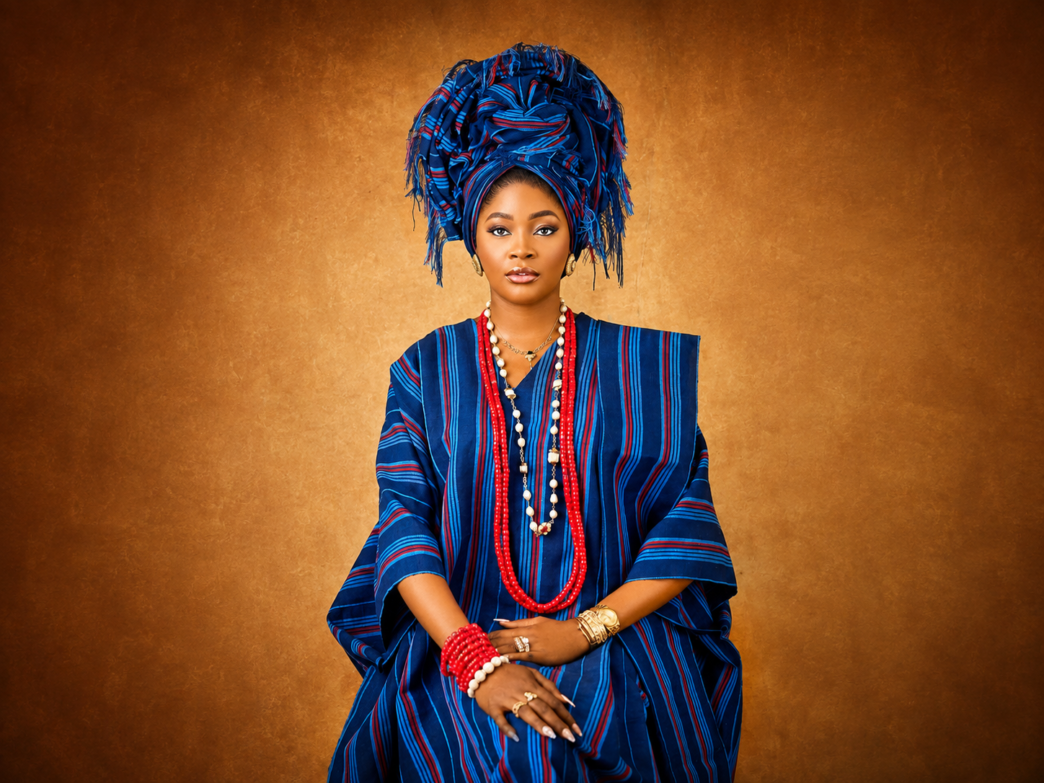
inDrive appointed media personality and content creator KieKie, whose full name is Bukunmi Adeaga, as its Chief Wahala Officer following the overwhelming response to the open application campaign. The announcement completed the arc that the job posting had set up: a real process, a real decision, and a real person who Lagosians already knew and trusted in the role.
The casting is the campaign. KieKie is not a celebrity ambassador in the traditional sense. She is a content creator who has built her audience by being genuinely funny and genuinely relatable, the kind of person who turns everyday Lagos experiences into content that her followers share because they recognise themselves in it. That is exactly the profile inDrive needed for a campaign about commuting wahala.
inDrive Nigeria Country Manager Timothy Oladimeji explained the decision clearly: "KieKie is a perfect fit for this role because she represents exactly what this campaign is about: authenticity, humour and relatability. She has a natural ability to connect with people's everyday experiences and turn them into conversations that everyone understands. In a city like Lagos, where mobility comes with its own daily wahala, we needed someone who can reflect that reality in a way that is both entertaining and truthful, and KieKie does that effortlessly."
KieKie's own response on the announcement was characteristically on-brand: "I am finally happy to announce that I am the Chief Wahala Officer. My dear Lagosians, any delivery or ride-hailing wahala you may be facing is now in the past. Don't worry, I am on duty, which means everything will go back to normal."
The Marketing Strategy Underneath the Fun
inDrive operates in over 1,200 cities in 48 countries and the inDrive app has been downloaded over 400 million times, making it the second most downloaded ride-hailing app in the world for the fourth consecutive year. It is not a small brand trying to get attention. It is a global platform with real scale, competing in a Nigerian market where Bolt and Uber are well established and user loyalty is hard to build.
The Chief Wahala Officer campaign addresses that challenge without a single direct comparison to competitors. Instead of telling Lagos why inDrive is better, it asked Lagos to tell inDrive what the city's real mobility problems are.
That is a listening campaign dressed as an entertainment campaign, and the result is a brand that now has hundreds of real commuter stories, a creator with genuine audience trust carrying the message forward, and a hashtag that Lagos used voluntarily.
That sequence, an open call, a community-driven application process, a credible reveal, and an influencer whose audience already trusts her, is what a well-constructed influencer campaign looks like when the strategy is built before the talent is chosen rather than after.
What Other Brands Can Learn From This
Most influencer campaigns in Nigeria follow a simple structure: identify a creator with a large following, pay them to post about the product, and measure the engagement. That model works, but it produces content that audiences have learned to recognise and scroll past.
inDrive built the audience participation before the influencer arrived. By the time KieKie was announced, Lagos already had a relationship with the campaign. The influencer did not introduce the idea to the audience. She became the conclusion of a story the audience had already started telling.
That sequencing is the lesson. The best influencer campaigns do not begin with the influencer. They begin with an idea that gives the community something to do, and then they bring in the right person to carry it home.