


Paramount Skydance and California Attorney General Rob Bonta are discussing a series of concessions that could help settle a legal challenge to Paramount’s proposed acquisition of Warner Bros. Discovery.
California and 11 other states filed a lawsuit in July seeking to stop the deal, arguing that the combination could create a powerful media company with greater influence over movie and television prices.
According to a recent report by The Wall Street Journal, the parties are now discussing an out-of-court settlement that could address some of the states’ concerns. One of the major proposals under discussion is a $1.5 billion investment in film and television production in California.
The proposed acquisition, valued at about $110 billion, would bring together two major entertainment companies with extensive film, television and streaming businesses.
Paramount owns Paramount Pictures, CBS and Paramount+, while Warner Bros. Discovery operates Warner Bros., HBO, Max, CNN and other television and entertainment properties. A successful acquisition would create a much larger media group with a broad portfolio of content and distribution platforms.
The size of the combined company is one of the reasons the transaction has attracted significant regulatory attention.
The Concessions Under Discussion
The proposed settlement would see Paramount make commitments aimed at addressing some of the concerns raised by California and the other states. One of the biggest proposals is a $1.5 billion investment in film and television production in California over a period of years.
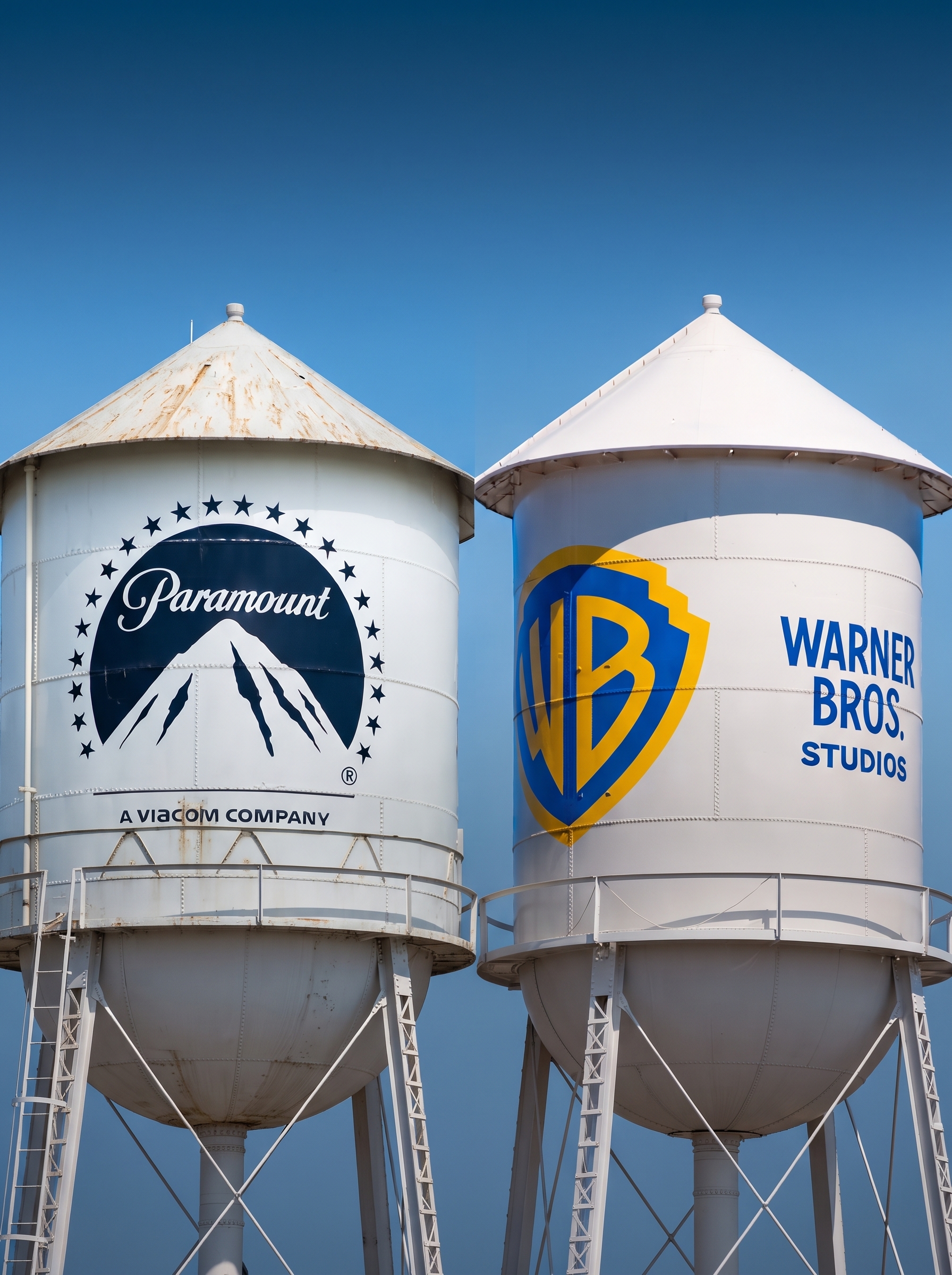
The parties have also discussed commitments to maintain both Paramount and Warner Bros. studio operations in the state, including agreements around the companies’ studio lots.
Those commitments are significant because California remains a major centre for film and television production. The entertainment industry supports a large network of studios, production companies, actors, writers, crew members and other businesses across the state.
Keeping the studios operating in California could therefore help protect the wider production ecosystem while giving state officials a reason to support a settlement. The proposed investment would also keep more production activity and spending within the state.
The lawsuit was filed after the states raised concerns about the effect of the acquisition on competition. Their argument is that bringing two major entertainment businesses together could give the combined company greater power across parts of the film and television market.
Paramount has continued to defend the transaction, with CEO David Ellison presenting the acquisition as a major part of the company’s strategy for competing in a rapidly changing media industry.
The proposed merger would bring together a wide range of entertainment assets at a time when traditional television and streaming businesses are facing major changes. Consumers are spending more time on streaming platforms, while media companies are competing for subscribers, advertising revenue and valuable content.
A larger combined company could give Paramount greater scale across these areas and allow it to bring more content and platforms under one corporate structure.
What the Deal Could Mean for Media
If the settlement is completed, Paramount would move closer to completing the Warner Bros. Discovery acquisition. The combined company would have major film studios, television networks, streaming platforms and content libraries, giving it a much larger presence across the global entertainment market.
The merger could also change how the companies distribute content, package streaming services and sell advertising across their platforms.
For advertisers, the deal could eventually create a larger media network with more audiences and content properties under one company. Paramount and Warner Bros. Discovery already operate major entertainment and television brands, so bringing their assets together could create opportunities for cross-platform advertising and content partnerships.
It could also change the competitive landscape for other media companies that are fighting for the same audiences and advertising budgets.
The settlement discussions also show how major acquisitions can involve commitments beyond the companies directly involved. Regulators can consider the effect of a merger on competition, workers, local economies and production communities.
In this case, the proposed investment in California and commitments around the studios appear designed to address some of those wider concerns.
For Paramount, reaching an agreement with the states would remove a significant legal challenge to the acquisition.
However, a settlement would not necessarily mean the transaction is immediately complete. The company would still have to satisfy the remaining regulatory and closing requirements connected to the deal.
For Hollywood, the proposed acquisition remains significant because it could bring two major entertainment businesses under one roof. The outcome could influence competition across film, television, streaming and advertising, while also shaping how large media companies approach scale in an increasingly competitive industry.