There is a moment every cinema fan knows. It is not the first time you see a film. It is the second time, years later, when you realise you have been quietly waiting to feel exactly this way again.
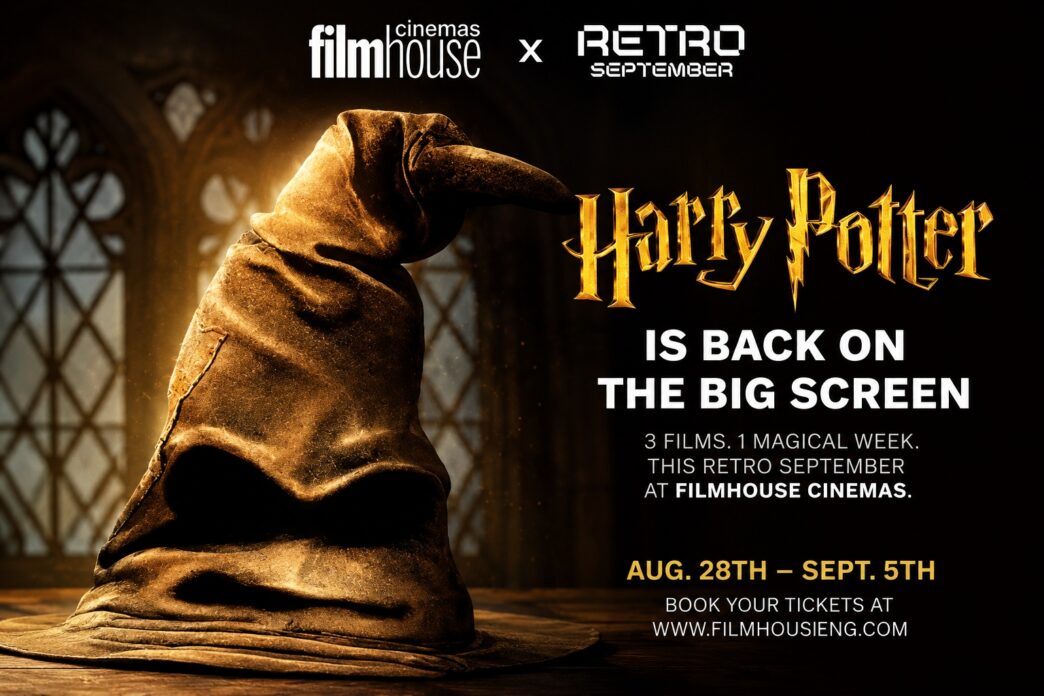
Filmhouse is betting on that moment.For Retro September, Filmhouse is bringing back Harry Potter and the Philosopher's Stone and Avengers: Endgame for limited theatrical runs, with a ticket, popcorn, and a drink bundled together for N12,000. Two films. One idea. A very clear understanding of how people relate to the things they loved before life got complicated.
This is not a new idea. Retro screening programmes have been part of cinema culture globally for decades. But in the Nigerian context, where most cinemas are still fighting for consistent foot traffic and where streaming has given audiences a reason to stay home, Filmhouse's Retro September is doing something more specific than a nostalgia play. It is making a commercial argument about what the cinema experience actually offers that a screen at home cannot match.
Why Nostalgia Works as a Marketing Strategy
Nostalgia is one of the most studied and most reliable emotional triggers in consumer marketing. It is not simply a feeling of fondness for the past. It is a specific psychological state that makes people more generous, more willing to spend, and more connected to the brands and experiences they associate with that period.
Research published in the Journal of Consumer Research shows that nostalgia increases consumers' willingness to pay for products connected to the past because the emotional reward of reliving a good memory feels proportionally more valuable than the rational cost of the purchase. When Filmhouse prices a Retro September ticket at N12,000 inclusive of snacks, it is not selling a cinema ticket. It is selling a permission slip to feel something familiar in a room full of other people who are feeling exactly the same thing.
That shared emotional experience is the part that streaming cannot replicate. You can rewatch Harry Potter at home on any streaming platform you subscribe to. You can queue up Avengers: Endgame on a Friday evening with your family.
But you cannot recreate the specific feeling of sitting in a dark room with 200 other people who all gasped when Hagrid arrived at the Dursleys, or who all cried when Tony Stark said "I am Iron Man" for the last time. That experience is only available in a cinema, and Filmhouse is the one selling it.
What Filmhouse Is Actually Building
Retro September is not just about filling seats in a quiet month. It is about training audiences to think of Filmhouse as a place where meaningful cinematic experiences happen, not just a place where new releases play.
That distinction matters commercially. The cinema business in Nigeria, as in most markets, is heavily dependent on the release schedule of Hollywood studios. When there are strong releases, audiences come.
When the release calendar is thin, footfall drops and the cinema's fixed costs become very visible on the balance sheet. A cinema that builds its own programming around themed seasons, retrospective screenings, and curated audience experiences is less dependent on the release calendar than one that simply waits for studios to deliver content.
Retro September is Filmhouse saying it can curate its own reasons for audiences to come, separate from whatever the studios decide to release that month. That is a meaningful shift in how the business positions itself, and it is one that the most successful cinemas globally, from the Curzon group in the United Kingdom to Alamo Drafthouse in the United States, have used to build loyal audiences who treat the cinema as a destination rather than a convenience.
The Pricing Is Part of the Strategy
N12,000 for a ticket, popcorn, and a drink is not a cheap cinema trip in Nigeria's current economic environment. But it is also not positioned as cheap. It is positioned as a complete experience at a fixed, predictable price, which is a different value proposition from the standard ticket-plus-extras model where the final bill always lands higher than expected.
Bundled pricing works in cinema for the same reason it works in restaurants: it removes the moment of hesitation at the point of purchase. When a customer knows exactly what they are getting and exactly what it costs before they walk in, the transaction feels simpler, more generous, and easier to say yes to.
A family of four walking into Filmhouse for Retro September knows the experience will cost N48,000 before they even sit down. That certainty, counterintuitively, makes the purchase easier.
What Other Nigerian Brands Can Learn From This
The Filmhouse Retro September model is a useful case study for any Nigerian brand thinking about how to activate its own heritage or its relationship with an audience that grew up with it.
The first lesson is that nostalgia has to be earned before it can be used. Filmhouse can run a Harry Potter retro screening because Harry Potter means something to the generation that grew up watching it in Nigerian cinemas. A brand that tries to build a nostalgia campaign around a product or period that the audience does not actually remember warmly will find the strategy falls flat.
The second lesson is that the experience has to be better than the alternative. Retro September works because watching Harry Potter in a Filmhouse cinema, with popcorn, with an audience, in a space designed for the experience, is genuinely more enjoyable than watching it at home. If the cinema experience itself is mediocre, the nostalgia premium disappears quickly.
The third lesson is that scarcity matters. "Only for a limited time" is doing serious commercial work in Filmhouse's Retro September announcement. Nostalgia combined with scarcity is one of the most effective combinations in consumer marketing, because the prospect of missing the chance to feel that specific feeling in that specific way creates an urgency that open-ended availability never can.
The Bigger Picture
Nigerian cinema audiences are among the most emotionally engaged in the world. A culture that built an entire film industry on stories rooted in family, community, faith, and shared experience is a culture that understands the value of watching things together.
Filmhouse is tapping into something real. The brands and businesses that learn to curate experiences around what audiences already love, rather than simply selling them what is new, will build deeper loyalty than those that only compete on what is current.
Retro September is a small programme with a smart idea behind it. And sometimes that is exactly enough.