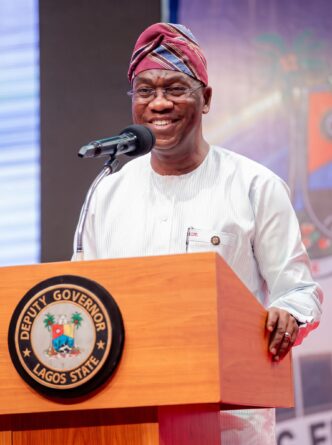
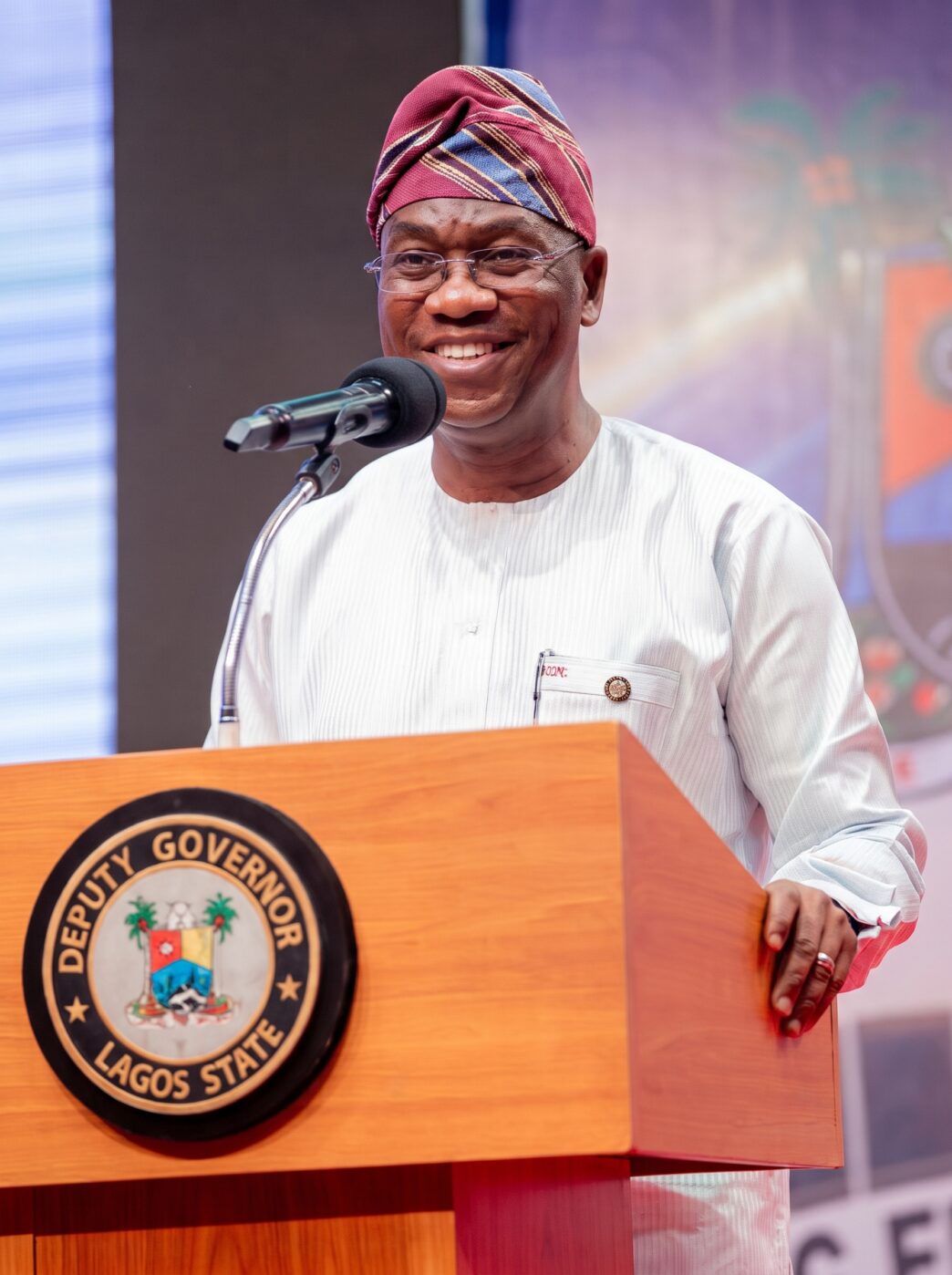
Lagos State Deputy Governor, Dr. Obafemi Hamzat, is set to deliver the keynote address at PodFest Naija 2026, a festival bringing together podcasters, storytellers, creators, brands and other players in Nigeria’s creative economy.
The festival will take place on September 25, 2026, at Harbour Point, Victoria Island, Lagos. Hamzat is expected to speak about creativity, technology, culture and the future of Lagos, with the address focused on the role of young creators, podcasters and storytellers in the state’s creative economy.
His participation gives the event a public-sector dimension, but the significance of PodFest Naija goes beyond the appearance of a government official at a creative event. Podcasting and digital storytelling have become increasingly visible parts of how Nigerians consume information, entertainment and culture.
The festival is taking place within a broader shift in which creators are building audiences, communities and businesses around their own voices and ideas.
Podcasting Is Becoming Part of the Creative Economy
Podcasting is no longer simply a format for recording long conversations and uploading them online. Creators now use audio and video podcasts to build communities, develop personal brands, discuss culture and create businesses around specialised interests. Platforms such as YouTube, Spotify and social media have also made it possible for creators to distribute their work directly to audiences without relying entirely on traditional media organisations.
PodFest Naija reflects this changing storytelling ecosystem. The festival brings together podcasters, creators, storytellers, brands and other stakeholders around conversations about the development of the industry. Its first edition in 2025 attracted more than 1,200 creators, 40 storytellers, policymakers and brands, according to the festival organisers.
That development reflects a larger change in the relationship between audiences and storytellers. People are no longer only consuming stories produced by established media companies, entertainment studios or advertising agencies. Individual creators can now develop their own audiences, establish communities around particular interests and influence conversations without having to build traditional media organisations first.
The technology supporting this shift is also becoming more accessible. Smartphones, cameras, editing software, social platforms and digital distribution tools have lowered some of the barriers to producing and publishing content.
The challenge is increasingly less about whether someone can publish a story and more about whether they can build a sustainable creative practice around it.
That distinction matters for Lagos because the city already has a large concentration of Nigeria’s media, entertainment, advertising and technology industries.
Creators are operating within the same ecosystem as agencies, production companies, technology businesses and consumer brands. Events that bring these groups together can create opportunities for collaboration that extend beyond the content itself.
PodFest Naija sits within that ecosystem. Its focus on storytelling and podcasting gives creators a platform to discuss the business of content, while its inclusion of brands creates room for conversations about how businesses can participate in the creator economy.
This makes the festival relevant not only to people producing podcasts, but also to the companies increasingly using creator-led storytelling to reach audiences.
What This Means for Lagos and Brands
Hamzat’s keynote places the creator economy within a wider conversation about Lagos. The Deputy Governor is expected to address creativity, technology, culture and the future of the state, areas that connect directly with the industries that have helped shape Lagos as a major creative and commercial centre.
That does not automatically mean government participation will translate into better conditions for creators. A keynote can acknowledge the importance of the sector, but the long-term development of a creative economy depends on what happens beyond conferences and festivals. Creators also need access to infrastructure, skills development, funding opportunities, business networks and spaces where they can meet and collaborate.
This is where events such as PodFest Naija can become useful. The festival creates a setting where creators, brands, policymakers and other industry stakeholders can interact and discuss the direction of the sector. Its 2026 programme is expected to include live podcast recordings, masterclasses and talent discovery activities, giving participants opportunities to learn and connect.
The bigger opportunity is to move the conversation from visibility to sustainability. Lagos already has no shortage of creators, influencers, podcasters and storytellers. The harder question is how many can turn that creative work into sustainable careers, businesses and communities over time.
Brands are also becoming an important part of this conversation. Traditional advertising gives brands control over their message, while creator-led platforms can give them access to communities that already have shared interests and established relationships with particular voices.
That does not mean every brand needs to launch a podcast, but it does mean brands need to understand where meaningful conversations are happening and who is leading them.
The opportunity is therefore bigger than placing an advert inside a podcast episode. Brands can work with creators on original formats, interviews, events and experiences that fit naturally into the communities they are trying to reach. The strongest partnerships will likely require brands to understand a creator’s audience and subject matter rather than simply looking at follower counts.
For creators, the opportunity is to build beyond individual pieces of content and develop work that can support a career, a business or a community. For brands, it is to understand creators as partners in storytelling rather than simply another advertising channel.
And for Lagos, the challenge is to create an environment where the people shaping its culture can also build sustainable economic value from their work.
PodFest Naija is one event, but it reflects a much larger shift in how storytelling fits into Nigeria’s creative economy.
Its September gathering will bring that conversation into one room, connecting creators with brands and other stakeholders while placing their work within a broader discussion about Lagos.
What follows after the event will determine how far that conversation can go.