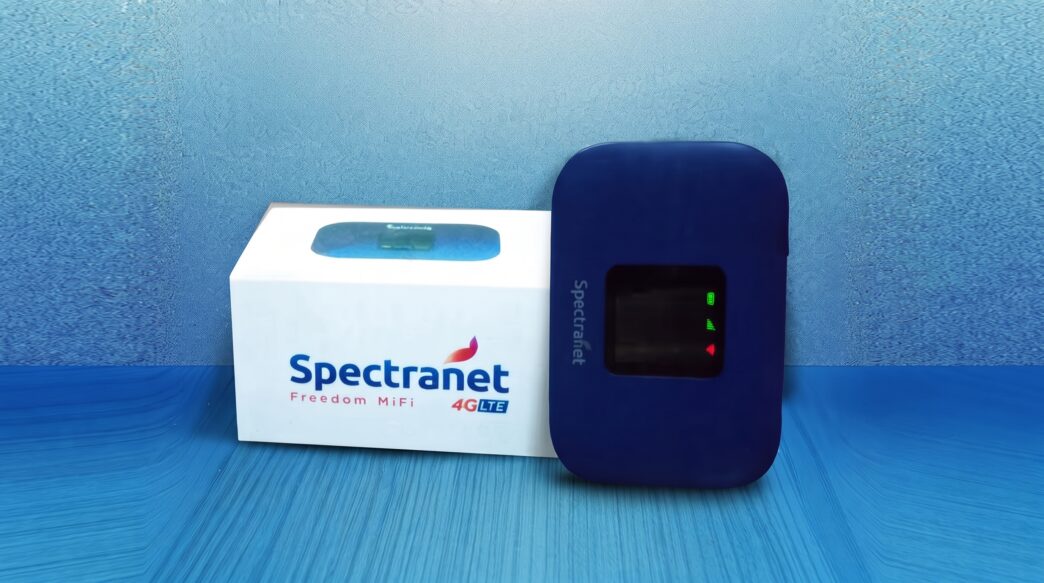
Spectranet is marking 15 years as Nigeria's pioneer 4G LTE broadband operator with a new offer: nine hours of completely unmetered, unlimited internet access every night, from 11:00pm to 8:00am, for anyone on a data plan of ₦12,500 or above.
The company is presenting this as a birthday gift to the market. It is better understood as a loyalty and upgrade strategy aimed squarely at the subscriber base Spectranet already has.
Start with where Spectranet sits today. The company leads Nigeria's internet service provider market with 111,384 active subscribers, well ahead of Starlink's 98,642 and FiberOne's 56,486.
Those three operators together account for about 63 percent of the country's 420,989 active ISP subscribers. Spectranet is not launching this offer from a position of weakness. It is launching it from the top of the market, with a real competitor closing the gap behind it.
That context changes how the offer should be read. A company that already leads its category does not need a headline-grabbing giveaway to win attention. What it needs is a reason for its current customers to stay, and a reason for customers who are close to upgrading to actually make the move. The night data offer does both.
Look at the structure of the deal. Every plan still gets some night data allocation, but only plans of ₦12,500 and above get the fully unmetered nine-hour window. That is not a blanket gift to the market. It is a threshold designed to push subscribers on cheaper plans toward the ₦12,500 tier, where the real value sits.
This is a familiar tactic in subscription businesses. Give the base tier something modest, and give the tier just above it something clearly better, so that the upgrade decision feels obvious rather than forced. Spectranet has built its 15th anniversary offer around exactly that structure.
The timing also matters. Starlink narrowed its gap with Spectranet from 16,534 subscribers in December 2025 to 12,742 by June 2026, adding subscribers faster than Spectranet did over that period. A leading operator watching a rival close the distance has good reason to strengthen its own customer relationships before that rival gets close enough to start pulling customers away.
Night-time data is also a smart resource to give away, from a pure operations standpoint. Network usage is lowest between 11:00pm and 8:00am, since most subscribers are asleep or not actively browsing. Offering unlimited access during those hours costs the operator very little in real network strain, while still feeling generous to the subscriber receiving it. It is a low-cost way to create a high-perceived-value benefit.
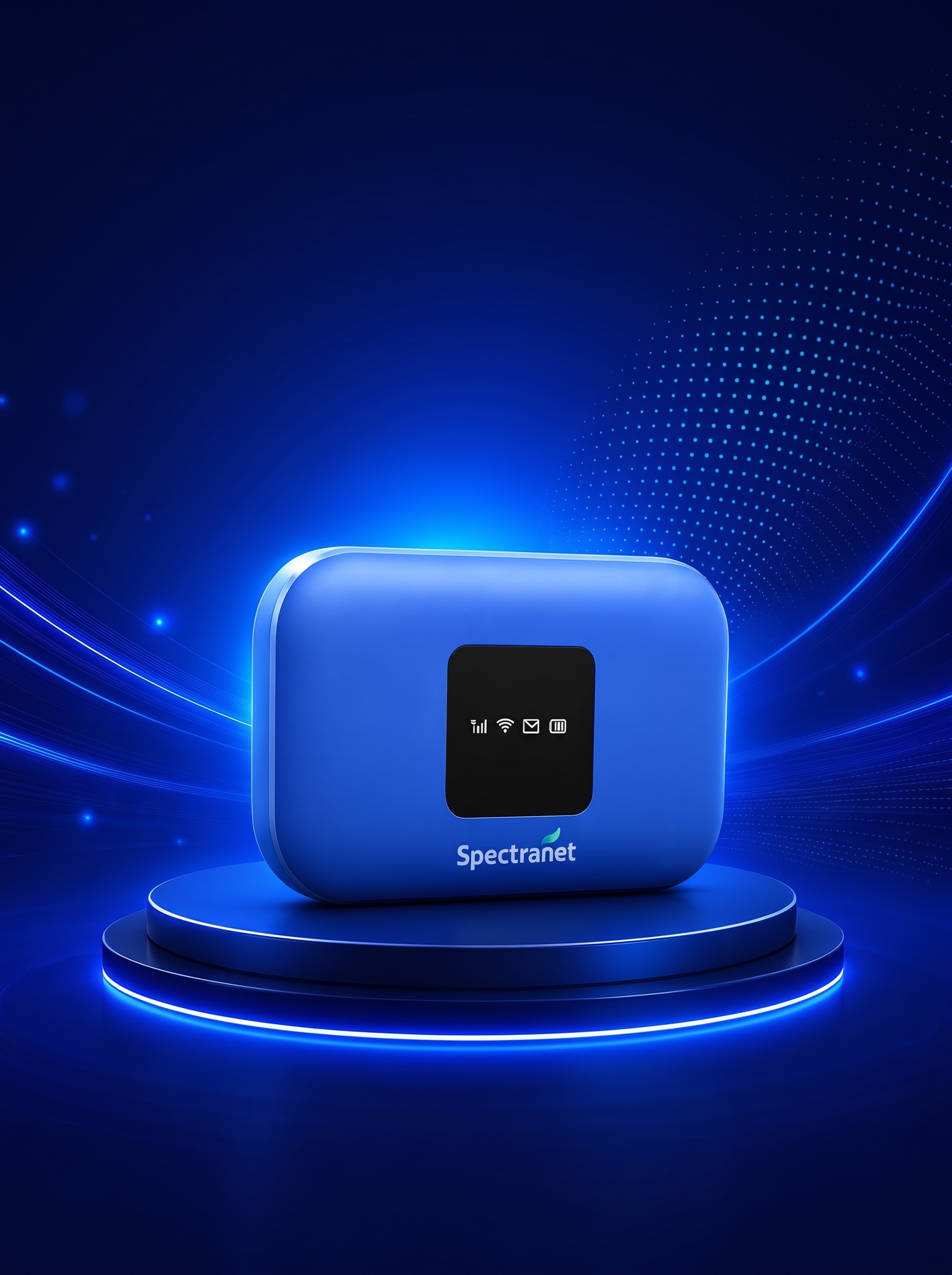
The bundle around the offer supports the loyalty reading further. Spectranet is pairing the data offer with enhanced backend security, a streamlined payment portal and a revamped Self-Care App. None of those upgrades are things a customer chasing a short-term promotion would notice immediately. They are the kind of improvements that matter to a subscriber who plans to stay on the network for years, which is exactly the subscriber Spectranet should be trying to keep.
There is a genuine consumer benefit here too, and it should not be dismissed. Households with students, remote workers or small businesses that need to download large files, back up work or stream content can now do so at night without touching their core data bundle. For a family managing a tight data budget, nine free hours every night is a meaningful saving over a month.
New subscribers also benefit immediately, since anyone joining during the anniversary phase qualifies for the same night privileges along with plug-and-play home setup. That detail matters because it removes a common objection to switching providers, which is the hassle of installation. A new customer gets the same reward as a loyal one, on day one.
The risk in this approach is that it can feel uneven to subscribers who cannot afford the ₦12,500 threshold. A household on a smaller budget plan still gets a "designated night allocation," which is a noticeably weaker version of the offer. Spectranet should be careful that the messaging around this campaign does not make its lower-tier customers feel like second-class subscribers during a celebration that is meant to include the whole market.
There is also a broader industry point worth raising. Nigeria's internet usage is climbing fast, with monthly data consumption up sharply compared to previous years. In a market where demand keeps growing, operators that make their heaviest usage hours free are effectively encouraging subscribers to shift consumption into off-peak hours.
That is good network management dressed up as generosity, and there is nothing wrong with that. It simply means the offer serves the operator's infrastructure planning as much as it serves the subscriber's wallet.
None of this makes the offer a bad one for consumers. It is a genuinely useful benefit, well timed to a real competitive threat, and built on a smart use of otherwise idle network capacity.
The anniversary framing is good marketing. The real story underneath it is a market leader making a calculated move to keep its base loyal while a fast-growing rival closes in.
The test now is retention. If Spectranet's own subscriber growth accelerates and Starlink's gap widens again over the coming months, the offer will have done its job. If the gap keeps narrowing anyway, a free nine hours a night will not have been enough on its own.