


inDrive has committed more than ₦132 million to a driver reward campaign running across Lagos and Abuja from October 5 to December 16, 2026. The headline numbers are generous: 916 prizes, including two cars, four full-academic-year school fee awards, 40 smartphones, 40 television sets and 830 shopping vouchers.
The framing is one of appreciation, a way to recognise drivers and create more value for their participation on the platform. Read closely, the campaign is built to do something more specific than reward loyalty. It is built to change driver behaviour for eleven straight weeks.
Start with the entry mechanism. Drivers qualify by reaching the platinum tier, and every completed ride counts as an entry into the draws. That structure means a driver's odds of winning rise directly with how many rides they complete during the campaign window. This is not a raffle where everyone who logs in gets equal odds. It is a system engineered to reward volume.
That distinction matters because it tells you who the campaign is really for. It is not primarily a thank-you to inDrive's existing driver base as a whole. It is an incentive aimed squarely at the platform's most active drivers, the ones already close to or at the platinum tier, giving them a strong reason to push for more rides over the next two and a half months.
The two-car prize makes the intent clearest. Those cars go specifically to the drivers who complete the highest number of rides over the full campaign period, not through a random draw. That is not a loyalty reward. It is a leaderboard competition with a car as first prize, and leaderboard competitions are one of the most reliable tools a platform has for driving short-term supply growth.
Timing reinforces the same logic. The campaign runs from October 5 to December 16, covering the final quarter of the year, which includes the Christmas and New Year period when ride demand in Nigerian cities typically rises sharply.
A platform that needs more drivers on the road during its highest-demand weeks has a clear commercial reason to launch an incentive campaign that rewards ride volume right before that period begins.
None of this makes the campaign dishonest or bad for drivers. A driver who completes more rides during this window earns more in fares regardless of whether they win a prize, and gets a real additional shot at a meaningful reward on top of that.
The structure rewards the exact behaviour, more completed rides, that benefits the driver's regular earnings as well as their odds in the campaign.
In that sense, the incentives of the platform and the incentives of the driver are genuinely aligned here, which is not always true of reward campaigns in the gig economy.
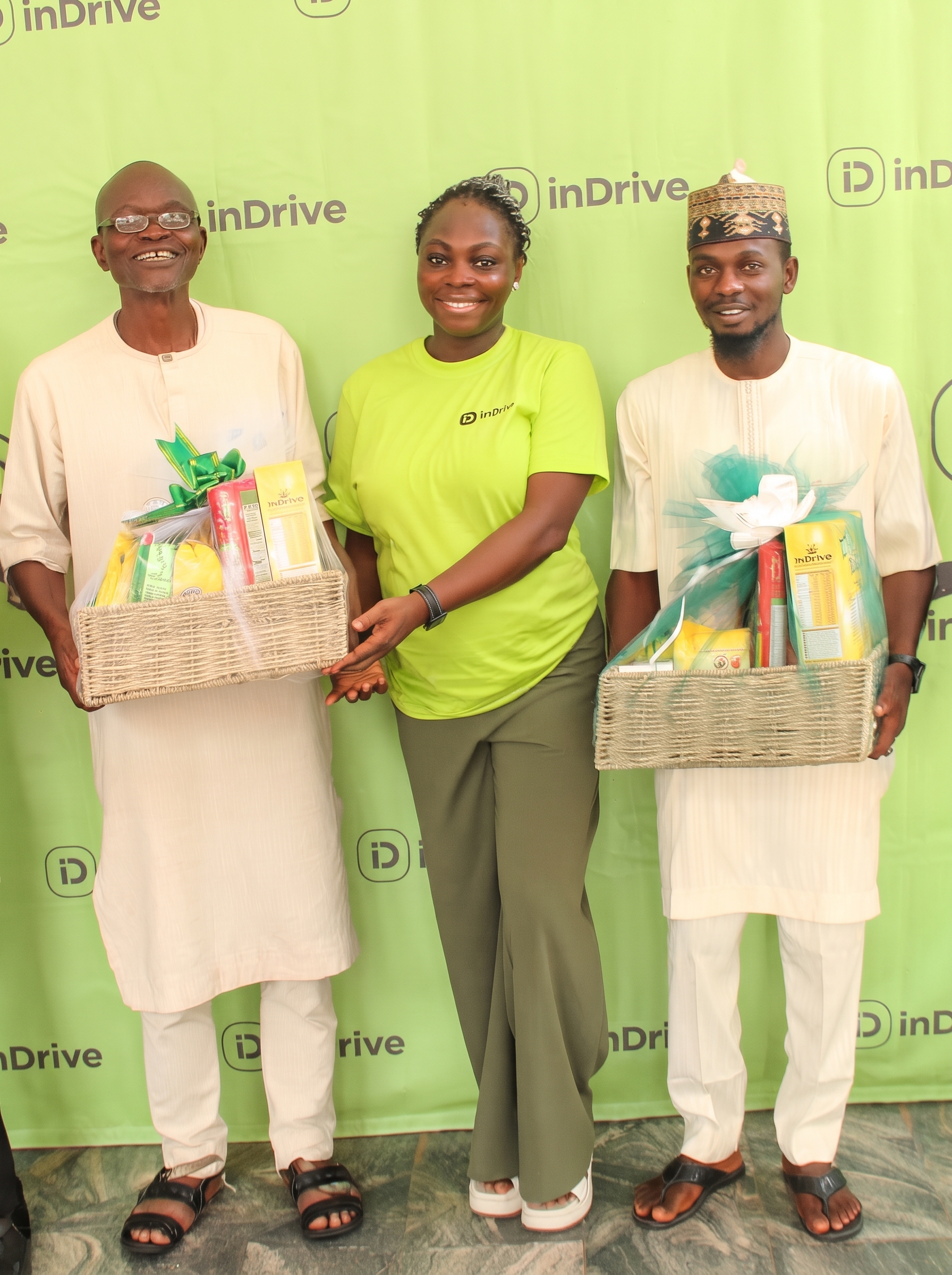
The six live-broadcast draws are also a smart choice, separate from the prizes themselves. A single large draw at the end of a campaign creates one moment of attention.
Six staggered live draws across the campaign period create six separate moments, each one a chance to re-engage drivers who may be losing momentum partway through, and each one a public demonstration that the prizes are real and being awarded as promised. Live broadcast format adds transparency that a quiet, internally managed draw would not offer.
The non-cash prizes deserve attention too. Four full-academic-year school fee awards sit alongside smartphones, television sets and shopping vouchers.
School fees are a recurring, high-anxiety expense for working parents in Nigeria, and a prize that removes that cost for a full academic year carries weight well beyond its cash value. It signals that inDrive understands what actually matters to its driver base beyond immediate cash, which is a more sophisticated read of driver needs than a straightforward cash bonus would show.
Country Manager Timothy Oladimeji framed the campaign around creating more value for drivers while reinforcing the principles underpinning the platform. That language is doing real work. inDrive has built much of its market position around giving drivers more control, particularly through its negotiated-fare model, compared to fixed-price competitors.
A reward campaign that specifically celebrates high-performing drivers reinforces that positioning, tying the campaign's generosity back to the platform's broader pitch to drivers who feel undervalued elsewhere.
There is a competitive angle worth naming directly. Nigeria's ride-hailing market includes multiple platforms competing for the same pool of drivers, and driver supply is one of the clearest levers a platform has over service reliability and pricing for riders.
A ₦132 million campaign aimed at pushing drivers toward higher ride volumes, right before the year's highest-demand period, is as much about strengthening inDrive's supply position against competitors as it is about rewarding existing drivers.
The risk sits with drivers who are close to platinum tier but not quite there. A platform-wide campaign that concentrates most of its real prize value, the cars especially, among the highest-volume drivers can feel exclusionary to drivers putting in solid but more moderate effort.
inDrive would do well to be transparent about how achievable the platinum tier actually is for an average active driver, so the campaign reads as broadly motivating rather than a contest only a small group can realistically win.
The eleven-week length is also a deliberate choice. A short campaign window creates urgency but risks burning drivers out quickly. A longer window, like the one here, gives drivers a sustained reason to stay active across the full fourth quarter, which is exactly the period inDrive most needs strong driver supply.
The length of the campaign is itself a signal of how much weight inDrive is placing on sustained behaviour change rather than a short-term spike.
The honest read on this campaign is that it works for both sides at once. Drivers who push for more rides earn more money regardless of the draw outcome, gain a real shot at meaningful prizes, and get six public moments where the platform demonstrates it follows through on its promises.
inDrive gets a stronger, more active driver base exactly when demand peaks, built through an incentive structure that most drivers will experience as generous rather than manipulative.
That alignment, more than the prize list itself, is what makes this campaign worth paying attention to.