Airtel Money wants to list its shares on the London Stock Exchange through an initial public offering. For a financial services business operating across Africa, the proposed listing is a major corporate development. But there is another part of the story that marketers should pay attention to.
Airtel Money has grown from a mobile money service into a large digital financial services platform with approximately 53 million monthly active users as of June 30, 2026. That scale changes the way the business needs to think about its brand.
When a financial service reaches millions of users, marketing is no longer only about getting people to download an app, register an account or make their first transaction. The bigger challenge becomes keeping those users, building trust and convincing them to use more of the services available to them.
Airtel Money’s proposed IPO shows how the company is entering that next stage. It also offers a useful lesson for African fintech brands that are moving from early growth into more mature businesses.
The Product Can No Longer Be The Whole Brand
Airtel Money’s early proposition was relatively simple. It gave customers a way to move money using their mobile phones, supported by Airtel’s telecommunications infrastructure and agent network.
That model helped mobile money become an important part of financial services across several African markets. But the financial services market has become much more crowded.
Consumers now have more options for transfers, payments, savings and other digital financial services. Banks have expanded their digital offerings, fintech companies have built specialised products and telecom companies have continued to develop financial services around their existing customer bases.
This means a brand like Airtel Money cannot depend only on the fact that it offers mobile money. The customer now has more reasons to compare services. They can look at convenience, transaction experience, availability, fees, reliability, customer support and the number of services available on a platform.
That is where Airtel Money’s existing scale becomes important. With approximately 53 million monthly active users, the company already has a large audience that knows the brand and interacts with its services. That gives it a foundation that a newer fintech brand would have to spend years building.
But having millions of users is not the same as having millions of loyal customers. The next marketing challenge is turning scale into deeper relationships. That could mean getting existing users to adopt more services, improving their experience or making Airtel Money a more regular part of their financial lives.
The brand therefore has to move beyond communicating what the product does. It has to communicate why customers should continue to trust it as their financial needs become more complex.
Trust is especially important in financial services because the relationship is different from buying an ordinary consumer product. When someone buys a soft drink and has a bad experience, they can simply choose another drink next time. When someone uses a financial service, they are trusting the company with their money and personal information.
That makes reliability part of the brand itself. Airtel Money’s technology infrastructure and agent network are therefore not only operational assets. They are also part of the customer experience and, by extension, part of the brand promise.
For marketers, this is an important distinction. A strong fintech brand cannot be built entirely through advertising. The actual service has to support the message being communicated.
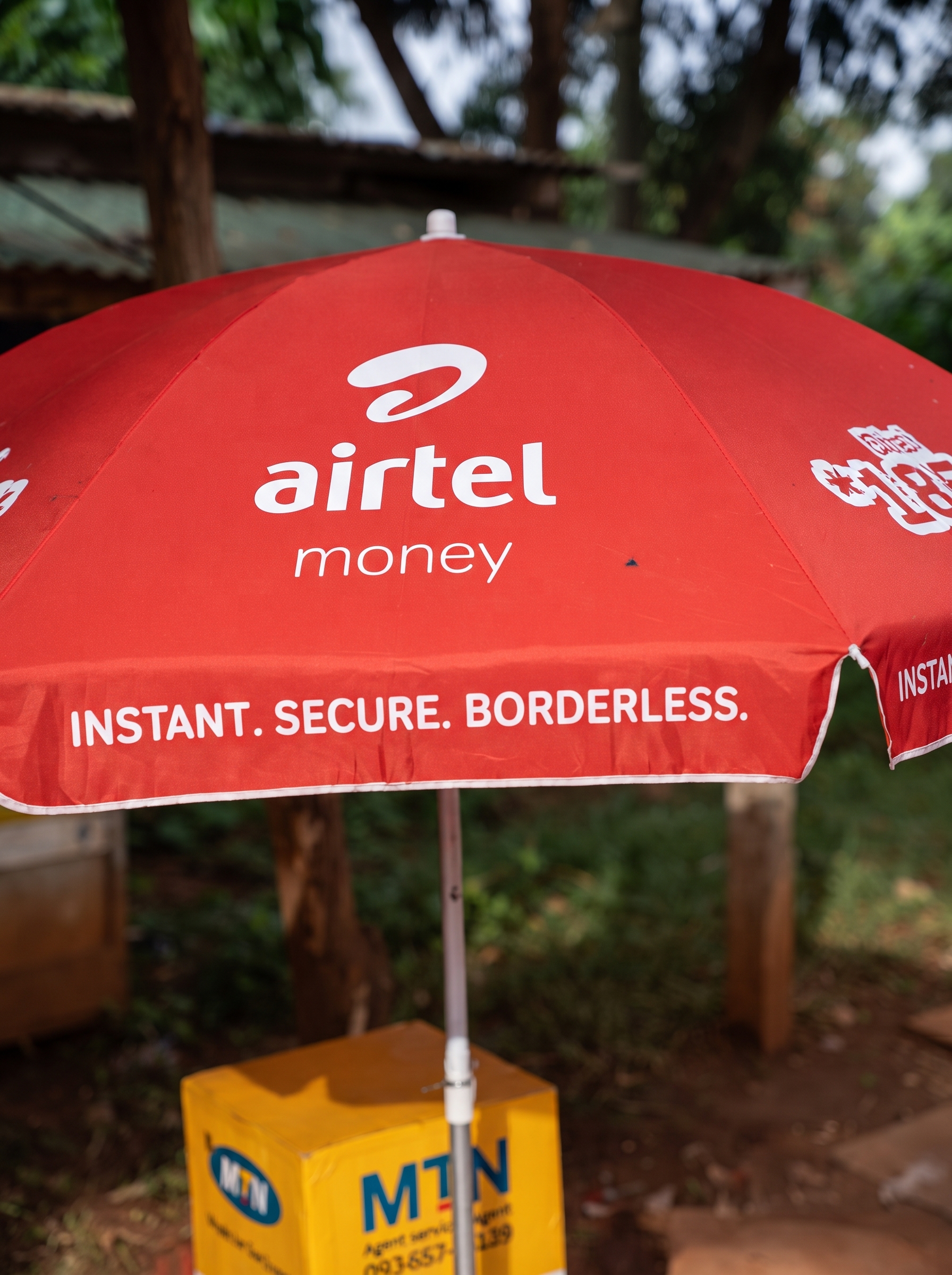
The IPO Adds A New Audience To The Brand Story
The proposed London listing introduces another interesting layer because Airtel Money will now have to communicate with audiences beyond its existing customers. Customers care about things such as convenience, reliability and value. Investors are likely to look at the business from a different perspective, including its scale, financial performance and future growth.
These audiences do not need identical messages, but they do need to hear a consistent story. This is where corporate communications and marketing increasingly overlap.
Airtel Money’s proposed IPO gives the business an opportunity to present itself as a mature African financial services platform rather than simply a mobile money product. Its 53 million monthly active users, technology infrastructure and agent network all become part of that story. The company’s connection to Airtel also gives it an existing brand ecosystem that many standalone fintech companies do not have.
That relationship can make it easier to reach customers across markets and connect financial services with telecommunications and other digital services. It can also give Airtel Money access to an audience that already understands the Airtel brand.But the opportunity comes with a challenge.
A large existing customer base can create complacency if a company assumes that customers will automatically stay. Financial services users can switch when another platform offers a better experience or solves a problem more effectively. That means Airtel Money still has to earn customer trust every day.
This is also where the proposed IPO becomes more than a financial event from a marketing perspective. A public listing can increase visibility around the company and put greater attention on how the business performs.
Every major corporate milestone can therefore become part of the brand narrative. For African fintech companies, there is a broader lesson here. The early stage of growth is often about proving that people want the product. The next stage is about proving that the business can keep those people, serve them well and build a lasting relationship with them.
Airtel Money’s proposed London listing comes at a point where the business has already demonstrated significant scale. The next challenge is translating that scale into a
stronger, more durable financial brand. For marketers, the message is simple. User numbers can get attention, but they cannot build trust on their own.
As African fintech businesses grow, the brands that matter will be the ones that connect scale with a consistent customer experience, clear positioning and a reason for people to keep coming back.