

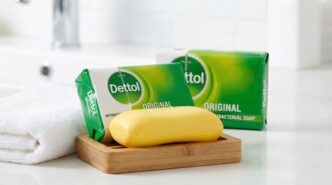
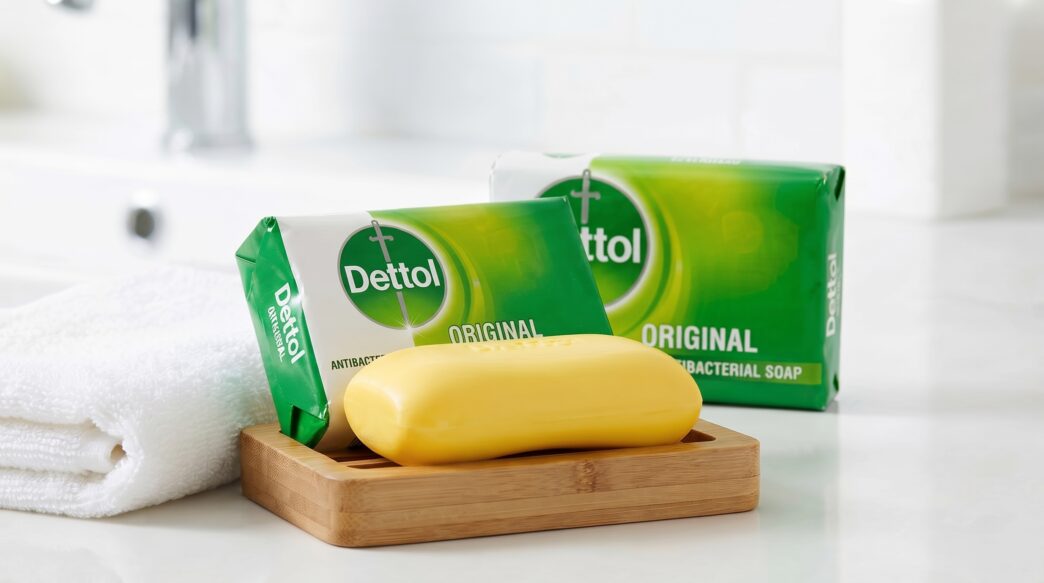
Dettol Nigeria has concluded its "12 Hour Protective Shield" storytelling challenge and rewarded 30 Nigerians with cash prizes for sharing personal stories about Dettol Original Antibacterial Bar Soap.
The challenge ran from July 13 to August 31, 2026, and it sat inside a wider campaign built around the line "12 Hours, Protection That Moves With You."
The move is a smart one. A claim measured in hours and percentages is hard to remember, while a family story is easy to remember.
The real question is whether Dettol will do enough with those stories to make the campaign matter after the prizes have been announced.
A Smart Way to Make a Claim Human
Dettol says its original soap gives a 12-hour protective shield against 99.9 percent of illness-causing germs. That is a strong claim, and it is also a cold one. Most shoppers will not remember the number, and few will picture what 12 hours of protection looks like in a normal day.
A storytelling challenge solves that problem by asking people to supply the pictures themselves. Entries ranged from childhood memories to family routines and personal hygiene habits, which means the brand received a set of real scenes that show where the soap sits in daily life.
Those scenes matter because hygiene is a habit category. People rarely choose a bar of soap after a long comparison. They pick the one they grew up with, the one a parent used or the one that feels like part of the morning.
A campaign that collects memories speaks directly to that behaviour, and it reminds consumers that the brand has been present for a long time in ordinary routines.
Why Personal Stories Beat Another Advert
Brand messages carry more weight when they come from someone like the reader. A story from a neighbour about how a family washes up after a long day is more believable than a studio advert with a perfect bathroom.
The challenge also fits the campaign line. "Protection that moves with you" is about the whole day, from the morning rush to the evening return home, and stories about real days show that idea better than a claim on a pack can.
Stories also travel across age groups. A grandmother's memory of washing at home and a student's account of a morning rush can sit side by side in the same campaign, and each reader will find a version that feels familiar.
That range is hard to buy through scripted advertising, where one actor usually speaks for everyone.
There is also a practical benefit. Thirty cash prizes cost far less than a major celebrity deal, and they produce creative material that has a human voice.
Each winning story can become a post, a short video or a line in a radio script. A single contest can supply months of content, provided the brand collects the right permissions and uses the material with care.
What the Campaign Has Not Told Us Yet
The details released so far leave several questions open. Dettol has not said how many Nigerians entered, how the winners were chosen, how large the prizes were or where the winning stories will appear.
Those numbers decide how much the challenge actually achieved. Thirty winners is a small group for a national brand, and the difference between 300 entries and 30,000 entries is the difference between a modest contest and a real movement.
Clear judging also matters. People who enter a contest trust the brand more when they can see how winners were picked, and they trust it less when the process looks hidden.
A short note on the criteria, such as originality, emotion or relevance to the campaign line, would show that the thirty winners earned their place.
The length of the challenge is a good sign. It ran for about seven weeks, which gave people time to think of a story, write it and share it with friends.
That kind of window builds more participation than a one-weekend giveaway. Still, a long window only helps if the brand told enough people about it, and that part of the story is not yet clear.
The Risk of a Claim-Heavy Message
A storytelling challenge built around a health-related claim carries a risk. Participants may describe the soap in ways that go beyond what the brand can support, such as stating that it prevented a particular illness.
Dettol should review every story it republishes and keep the focus on routines and memories, because personal experience is not proof of protection. The brand's own claim about germs should stay in the brand's own words, with its usual care.
Cash prizes bring their own question. A reward can attract entries that are written to win and not to share a true memory. Judges should look for specific, believable details, since those make a story feel real to readers.
The category is also crowded. Many soaps promise freshness, family care or protection, and a consumer can find similar words on several packs.
Emotion is one of the few ways to stand apart. A brand that is linked to a person's own memory is harder to replace than a brand linked to a number on a label.
What Dettol Should Do Next
Several steps would turn a good challenge into a lasting campaign. Dettol can publish the winning stories in short videos and posts so that more people see them. It can share the number of entries, which would show the scale of the response and encourage more people to join the next round.
It can also build a regular series around everyday moments, such as the morning routine or the walk home from school, so that the campaign idea becomes a habit and not a single season.
The stories should also reach the shop. On-pack messages, in-store displays and retailer conversations can carry a line from a winning entry to the people who make the final choice at the shelf. A story that appears only on social media reaches followers. A story that appears on the pack reaches buyers.
Community channels offer another route. Schools, markets, churches and residents' associations are places where hygiene habits are formed, and a challenge that invites groups to share stories together can reach people who do not follow brands online.
Moving the idea offline would also respect the fact that many Nigerians learn about products through conversation more than through feeds.
Dettol should also measure what follows. Recall of the "12 Hours, Protection That Moves With You" line, changes in sales during and after the challenge, and the number of people who share their own stories without a prize attached will show whether the campaign is working.
Those numbers will tell the brand whether to repeat the format next year.
Dettol has taken a useful first step by asking Nigerians to tell their own stories about a product that sits in almost every bathroom.
If the brand shares the results, uses the best entries with care and keeps the idea alive beyond one season, the 12-hour claim becomes a lived routine and not just a line on a pack.
If it stops at the prize announcement, the challenge will be remembered as a good contest and little more.