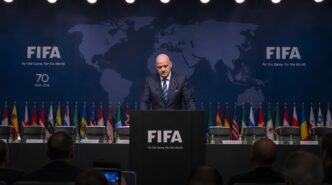
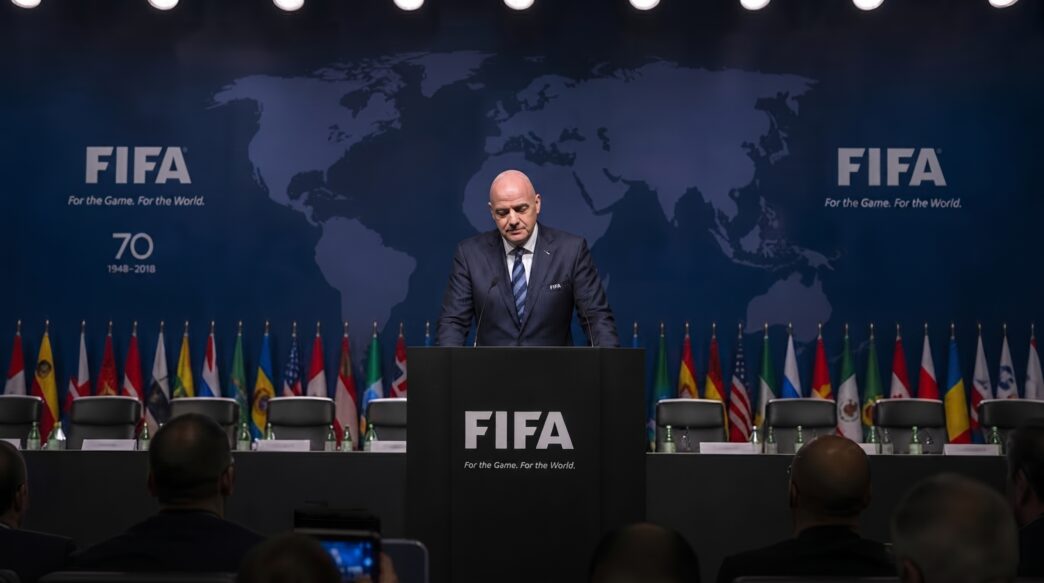
FIFA President Gianni Infantino's attempt to bring private investors into the commercial business behind the World Cup lasted only a few days before collapsing under pressure from football's most powerful institutions.
The proposal was straightforward in financial terms but extraordinary in what it represented: FIFA wanted to create a new commercial subsidiary, FIFA Forward Enterprise, valued at about $20 billion, and sell up to a 20 per cent stake to external investors. The entity would oversee revenue-generating activities including broadcasting, sponsorship and ticketing, with the investment expected to raise about $4.2 billion.
The plan immediately triggered opposition from UEFA, which argued that the World Cup should not be treated as an investment product, while FIFA maintained that it was not selling football but creating a structure that could generate significantly more money for development across its 211 member associations.
The Commercial Logic Was Clear. The Governance Problem Was Bigger.
From a business perspective, FIFA's argument was easy to understand: the World Cup is one of the most valuable properties in global sport, and bringing outside capital into its commercial infrastructure could unlock billions of dollars that could then be distributed across football.
The problem was that the proposal was presented as a commercial transaction involving an asset that football's governing bodies do not see as an ordinary commercial asset.
UEFA and its 55 national associations unanimously rejected the plan on July 30 and said they would not participate in FIFA competitions for as long as the proposal remained alive, unless FIFA abandoned it completely and provided binding assurances against future private ownership of its competitions.
The opposition quickly spread beyond Europe. CONCACAF rejected the proposal, while the Asian Football Confederation criticised the lack of consultation and called for an urgent review of FIFA's governance. Senior FIFA adviser Carlos Cordeiro also resigned in protest, while other officials raised concerns about how the proposal had been developed and communicated.
That changed the nature of the argument. What began as a financing proposal became a question about who ultimately controls the commercial future of world football.
The Plan Is Gone. The Commercial Question Is Not.
By July 31, FIFA had abandoned the proposed stake sale following the backlash, ending one of the most dramatic commercial disputes in the organisation's recent history. UEFA subsequently welcomed the withdrawal but made clear that the controversy was not finished, arguing that the proposal had damaged trust in FIFA and that a broader conversation about governance was now necessary. That distinction matters for the business of football.
FIFA still controls one of the world's most valuable collections of sporting rights, while sponsors, broadcasters, host governments and investors continue to place enormous value on access to its competitions. The question is therefore not whether FIFA's commercial assets can attract private capital; they clearly can. The harder question is how much of that commercial infrastructure can be opened to investors before football's stakeholders begin to see the sport itself as being treated like a financial asset.
For marketers and commercial partners, the episode is also a reminder that the value of global sports properties does not come only from audiences, sponsorship rights or broadcast revenue. It also comes from trust, heritage and the legitimacy of the institution controlling the property. FIFA withdrew the deal, but the argument it started is unlikely to disappear.
The organisation is still facing questions about transparency, governance and the future commercial structure of the World Cup, while Infantino's leadership continues to face growing scrutiny.
The private-equity deal failed. The bigger debate over who owns the commercial future of football has only just begun.