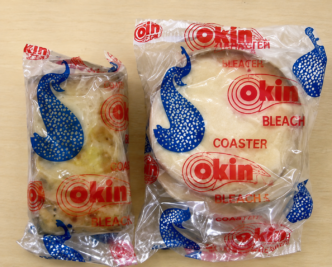
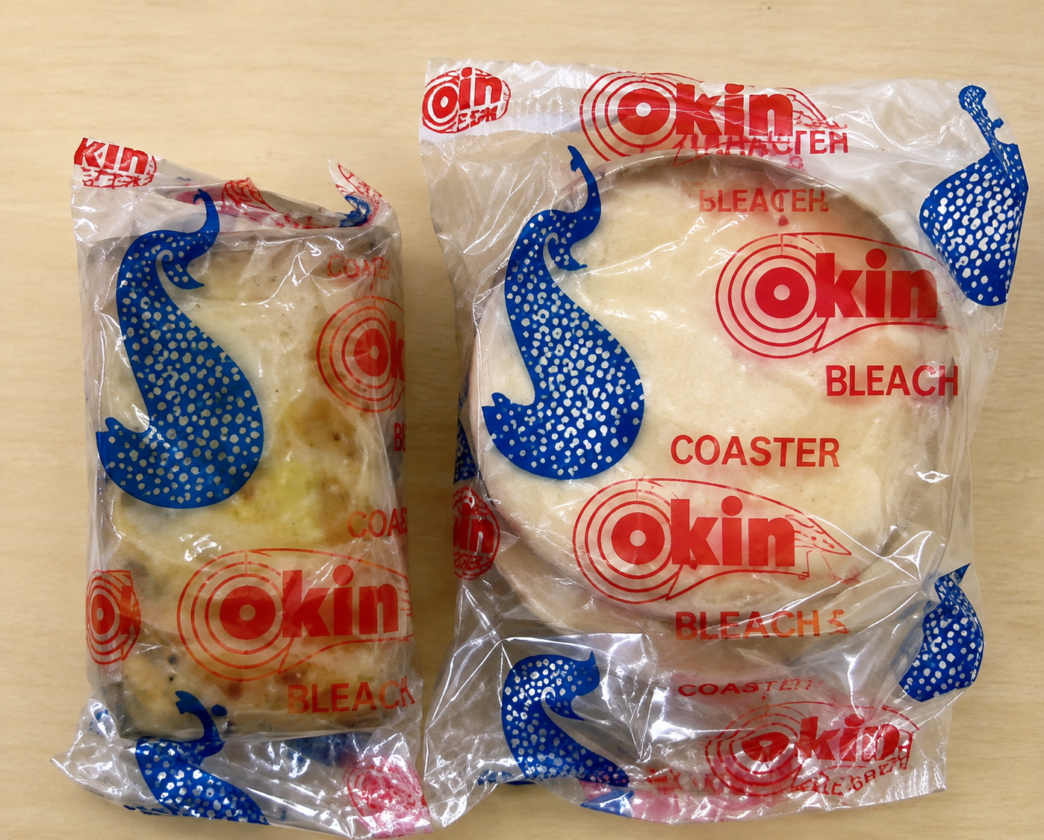
For the first time in 17 years, biscuits have rolled off the production line at the Okin factory in Offa, Kwara State. The company posted the news on its official Facebook page this week, describing the event as a significant milestone and being careful to frame it correctly: this was a technical trial run, not a product launch. The taste and quality Nigerians remember are still being perfected.
That honesty is a good sign. It suggests the people running the comeback understand something important: rebuilding a beloved brand after 17 years of silence is not simply a manufacturing problem. It is a marketing problem, a trust problem, and a cultural problem. All three need to be solved before Okin can truly come back.
What Made Okin Great
Okin Biscuits was not just a snack. For a generation of Nigerians, it was a marker of ordinary life in a specific era: the kind of biscuit you found in school lunch boxes, at family gatherings, at roadside kiosks on long journeys.
It had a flavour and a texture that people remember with the kind of specificity that only comes from repetition. You ate Okin because it was there, and it was there because it was good, and it was good in a particular way that not many products managed to replicate.
That memory is the brand's most valuable asset right now, and it is also its most dangerous liability. People remember Okin at its best. If the product that comes back does not match that memory, the comeback becomes a cautionary tale instead of a resurrection.
What Mama Cass Did Right and What Okin Can Learn
The Nigerian food and beverage market has seen at least one successful brand comeback in recent years that offers a useful reference point. Mama Cass, the instant noodles brand that faced a long period of market absence and brand decline, returned to the market with a deliberate rebranding strategy that took the heritage of the original product seriously while making clear that what was coming back was better, not just familiar.
The Mama Cass relaunch, supported by Xcentrique Media, was built around a few clear principles.
First, it acknowledged the gap honestly rather than pretending the absence had not happened. Nigerians who remembered the brand were given a reason to trust the return rather than being asked to simply accept it.
Second, it used the emotional equity of the original brand as a foundation rather than a crutch. The nostalgia was real, but the product had to earn its place in the present tense.
Third, the communication was consistent, patient, and clear. A brand comeback is not an event. It is a process, and the messaging had to sustain over time rather than burning bright and fading.
The result was a brand that came back and held its ground rather than spiking on curiosity and fading. That kind of sustained comeback requires more than a good product. It requires a strategy.
The Nostalgia Play and Its Risks
Okin has genuine nostalgia working in its favour. A generation of Nigerians who grew up with the product will feel something real when they see the brand name back on shelves. That emotional response is commercially valuable, but it comes with a specific risk: nostalgia creates a very high bar that the product itself must clear.
If someone buys Okin on the strength of their memory and the product does not taste the way they remember, the disappointment is proportionally larger than it would be for a new product they had no previous relationship with. You are not just failing to satisfy a customer. You are failing to honour a memory. That is a harder relationship to repair.
This is why the company's caution about the trial run is the right instinct. Getting the taste right before the full commercial launch is not simply quality control. It is brand protection. Okin should not rush this.
How to Use the Comeback as a Marketing Moment
The period between a production restart and a full product launch is one of the most valuable windows a returning brand has. It is the moment when the audience is paying attention, when the story is new, and when the brand can set the terms of its own return before the market sets them.
A few things Okin should consider for the marketing side of the comeback: The return needs a human face. Nigerians connect with people, not corporations. The story of the vandalism that shut the factory, the years of silence, the decision to rebuild, and the people who kept believing in the brand is a genuinely compelling narrative. It should be told, properly, by someone who lived it.
The trial run should be used to build anticipation, not hide from it. Some brands would keep a technical trial run private until the product is ready. Okin went public with it, which is the right call. The transparency creates goodwill and gives loyal consumers a reason to feel invested in the comeback before the product even reaches their hands.
The first product back on shelves must be the best version of the product Okin has ever made. The nostalgia window opens the door. The product has to walk through it and earn its place.
The Opportunity in Front of Okin
Nigeria's snack and biscuit category is more crowded than it was 17 years ago. Okin is not returning to an empty market. It is returning to a market where consumers have more choices, shorter attention spans, and higher expectations than the generation that first made the brand a household name.
But it is also returning to a market where authenticity and heritage are genuinely valuable because so many new products feel generic and interchangeable. A brand with Okin's history, if it tells that history well and backs it up with a product that earns trust on its own merits, has an opportunity to occupy a position in the Nigerian snack market that nobody else can claim.
The production line is running, and the hard work starts now.