


Publicis Groupe has secured one of the advertising industry’s biggest prizes: PepsiCo’s global media business, giving the French advertising group the lead media role across more than 200 markets and creating a significant new position for Publicis in the global media landscape.'
The appointment brings together media strategy, planning, activation, connected identity, data and technology through a new AI-powered model that PepsiCo describes as “One PepsiCo.”
With PepsiCo reporting approximately $5.4 billion in marketing expenditure in 2025, including around $3.4 billion on advertising, the scale of the account makes the win commercially significant for Publicis and strategically important for the wider agency industry.
The decision also marks a major change for PepsiCo, which has worked with Omnicom’s OMD for more than two decades in key markets. While Omnicom will continue to handle other strategic work, Publicis will now take the leading role in PepsiCo’s global media operation.
Interestingly, Publicis did not secure the account through a traditional competitive pitch. PepsiCo conducted a review of media capabilities before selecting Publicis, which had already worked with the company in several markets, including parts of Asia and Eastern Europe.
The timing makes the development even more significant because Publicis also has an established relationship with Coca-Cola.
In March 2025, Coca-Cola appointed Publicis as its media agency for North America, after which Publicis became involved in the beverage company’s broader global media review.
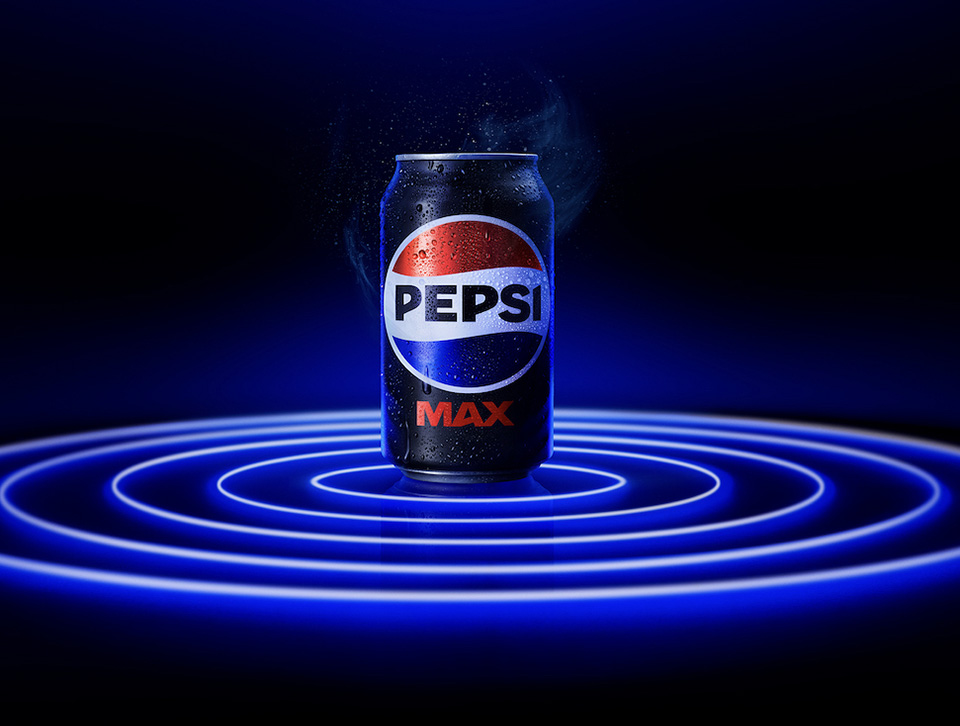
Following the PepsiCo appointment, Publicis has reportedly stepped away from Coca-Cola’s remaining global media review, effectively choosing to deepen its relationship with PepsiCo rather than pursue additional Coca-Cola business.
That decision points to a broader change in the relationship between advertisers and global agency groups. Major holding companies are no longer simply collections of agencies competing for every available account; they increasingly operate as technology, data, media and consulting platforms with their own long-term commercial priorities.
That creates a different dynamic for major advertisers. An agency relationship may be valuable, but it is not necessarily permanent, particularly when another account offers greater scale, strategic value or long-term growth potential.
For PepsiCo, Publicis provides an opportunity to consolidate its global media operation around a single lead partner while accelerating the use of AI, data and technology across its marketing ecosystem.
For Coca-Cola, the development is a reminder that agency relationships operate within a competitive commercial environment, where holding companies must continuously decide where their capabilities, resources and strategic attention create the greatest value.
The significance of the PepsiCo win therefore extends beyond the size of the account. It reflects how quickly the advertising business is changing, as global brands demand integrated media, data, technology and AI capabilities, while agency groups increasingly make strategic choices about which relationships they want to build around.
In an industry where billions of dollars, advanced technology and global influence are at stake, relationships still matter, but strategic priorities can matter even more. Sometimes an agency does not simply lose a client; it decides which client it wants most.