


OPay has escalated its response to a viral shutdown claim, bringing journalists, influencers and other stakeholders together as it pursues legal action against those it says created and circulated the false information.
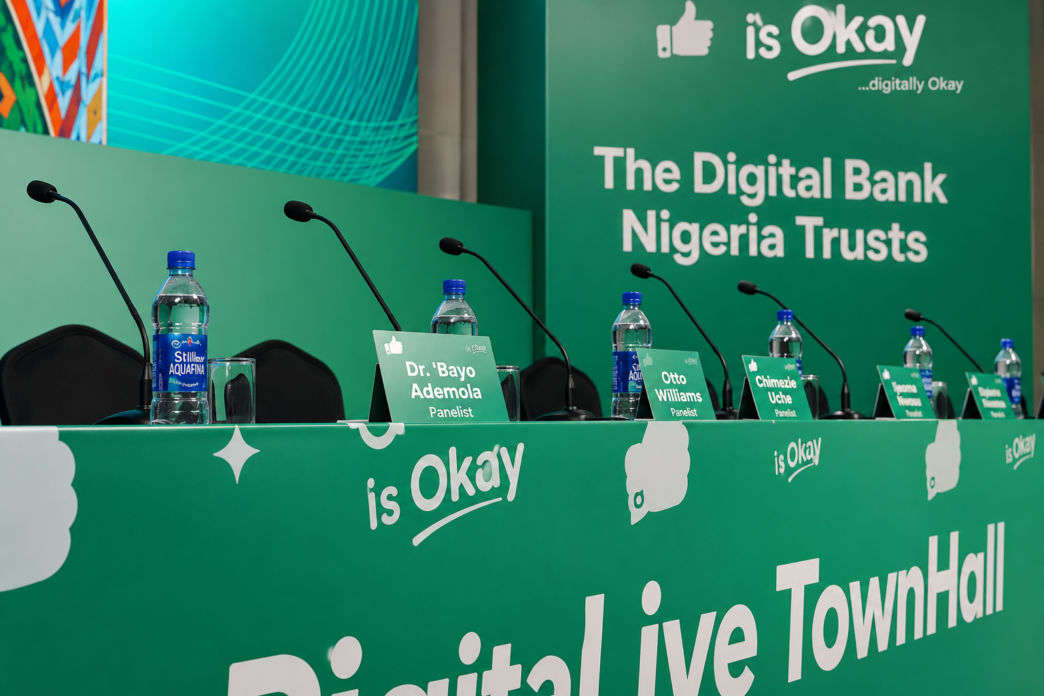
OPay held a press conference and town hall meeting in Lagos on September 2 to address a viral social media publication claiming that the fintech would shut down its Nigerian operations and stop processing transactions from September 1.
The message, which circulated across social media and messaging platforms from August 30, was presented as an official OPay communication and advised customers to withdraw their funds to avoid being affected by the alleged shutdown. OPay subsequently described the publication as false and urged customers to rely on its verified communication channels.
The timing of the rumour made the situation particularly sensitive. By September 2, the date on which the purported shutdown was supposed to have taken effect, OPay's services were still operating. At the town hall, Chief Operating Officer and Chief Technology Officer Dotun Adekunle told customers and stakeholders that the company remained fully operational and had no plans to leave Nigeria.
“OPay is here, OPay is operating, and OPay is going nowhere,” Adekunle said, stressing that the circulating message did not originate from the company.
How Online Rumor Sparked a Financial Crisis
What began as a social media publication quickly developed into a wider reputational issue because of the nature of the claim. OPay operates in financial services, meaning that false information about its ability to hold funds or process transactions can prompt customers to make immediate financial decisions.
The original message did not simply claim that OPay was closing. It reportedly encouraged customers to withdraw their money before the alleged shutdown. OPay said the publication was capable of causing fear, financial loss and damage to confidence in the company.
The company responded before the alleged September 1 deadline, publishing a public denial and subsequently issuing legal notices to social media accounts it accused of spreading the claim.
OPay's Chief Legal Counsel, Akinfolabi Rokosu, said the company had involved the Department of State Services and the Nigeria Police Force in investigating the source and circulation of the information. He said OPay had provided evidence to assist the authorities in identifying those responsible.
Reports identified three social media users who received legal notices: X users Adamu B. Garba II and Cute Hafserh, and the TikTok account ViralGrabTV. OPay demanded that the publications be removed, retracted and followed by unreserved apologies. In the case involving Garba, the company also objected to the promotion of an alternative wallet alongside the alleged shutdown claim.
Rokosu's position was that the company's response was not an attempt to prevent criticism or legitimate public discussion. Instead, he argued that deliberately creating or circulating false information capable of causing financial or reputational harm could attract legal consequences.
Leveraging Digital Influencers to Reaffirm Trust
The town hall also showed how the nature of misinformation has changed the way companies manage crises.
OPay did not limit its response to a corporate statement or media release. The company invited journalists, influencers, ambassadors, partners and other stakeholders to hear directly from its leadership and help communicate the clarification to the wider public. OPay had also announced the event through its official channels as a forum to provide clarity and reaffirm its commitment to Nigerian customers.
That approach reflects the reality of how the original rumour spread. When a claim gains traction through social platforms, a traditional press statement may not travel as quickly as the information it is trying to correct. Influencers and digital publishers therefore become part of the crisis-response infrastructure because they already have established relationships with the audiences consuming the information.
The episode also raises a broader issue for Nigeria's digital financial sector. Olalekan Disu, an executive at eTranzact and Financial Secretary of the Association of Licensed Payment Operators of Nigeria, said misinformation about a major payment company could affect confidence in the wider digital payments ecosystem because customers depend on fintech platforms for transfers, payments, salaries, savings and everyday commerce. He called on customers, businesses, journalists and influencers to verify financial information before sharing it.
For OPay, the immediate objective was straightforward: make it clear that the company was still operating and that customers' funds and transactions had not been affected by the rumour.
The longer-term implication is more significant. In a financial services market where trust is central to customer behaviour, a fabricated social media notice can move from a post on a screen to a real-world commercial problem within hours.
OPay's decision to involve legal authorities, the media and social media influencers shows just how seriously companies now have to treat misinformation when their businesses depend on public confidence.
The company has made its position clear. The shutdown did not happen, OPay remains operational, and the people behind the false claims could now face legal consequences.