



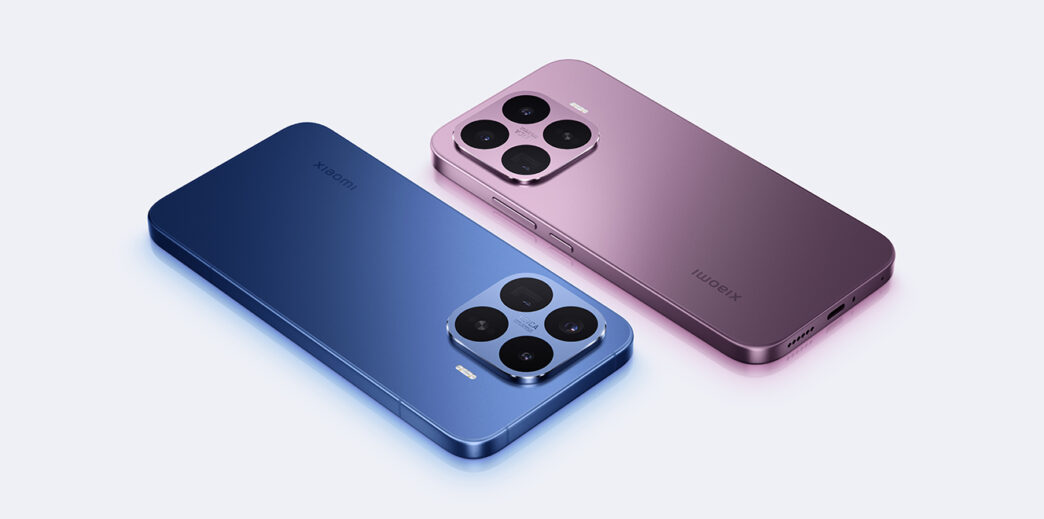
Xiaomi has launched the REDMI Note 17 Series in Nigeria with a message built entirely around longevity. The flagship REDMI Note 17 Pro Max 5G carries a 10,000mAh battery, the largest Xiaomi has ever put in a smartphone, paired with 100W HyperCharge.
The company says the battery will retain at least 80 percent of its capacity after 1,600 charge cycles, which it describes as roughly six years of typical use. This is a strong, specific claim, and it is also a bet against the way most Nigerian smartphone buyers actually behave.
The launch event itself was significant. It brought together brand representatives, channel partners, nationwide dealers and distributors, and tech influencers, and it marked the moment the global REDMI Note Series passed 500 million shipments worldwide.
A series with that scale of global reach carries real weight when it makes a claim about durability, because Xiaomi has hundreds of millions of real-world devices to draw lessons from.
The lineup itself is built in tiers. The REDMI Note 17 Pro Max 5G sits at the top, followed by the REDMI Note 17 Pro 5G, the REDMI Note 17 Pro, and the standard REDMI Note 17. Each model is built under what Xiaomi calls REDMI Titan Quality, a standard aimed at structural durability and long-term dependability rather than only raw performance.
Country Manager Xiaomi Nigeria, Mr Vandy, framed the strategy clearly: premium innovation made accessible without sacrificing longevity, backed by up to six years of security updates.
That is an unusually long support promise for a mid-range device line, and it is the clearest signal of what Xiaomi is actually selling here. The company is not simply selling a phone. It is selling a multi-year relationship with a single device.
That promise runs directly against how many Nigerian consumers currently buy phones. A large part of the market treats a smartphone as a device to be replaced every two to three years, driven by a mix of damage, declining battery health, software slowdown and the appeal of a newer model.
Battery degradation is one of the most common reasons people replace a phone long before it has actually stopped working. If Xiaomi can genuinely solve that problem, it is not just making a better phone. It is trying to change the replacement cycle itself.
There is a real commercial risk in that approach, and it is worth naming directly. A phone that genuinely lasts six years is a phone a customer does not need to replace for six years. For a smartphone brand, a six-year device is six years without a repeat purchase from that specific customer.
Xiaomi is making a bet that trust and word of mouth from a six-year promise will bring in more new customers than it loses in repeat upgrade sales from existing ones.
That is a bet worth watching closely, because it only works if the claim is actually true in daily use.
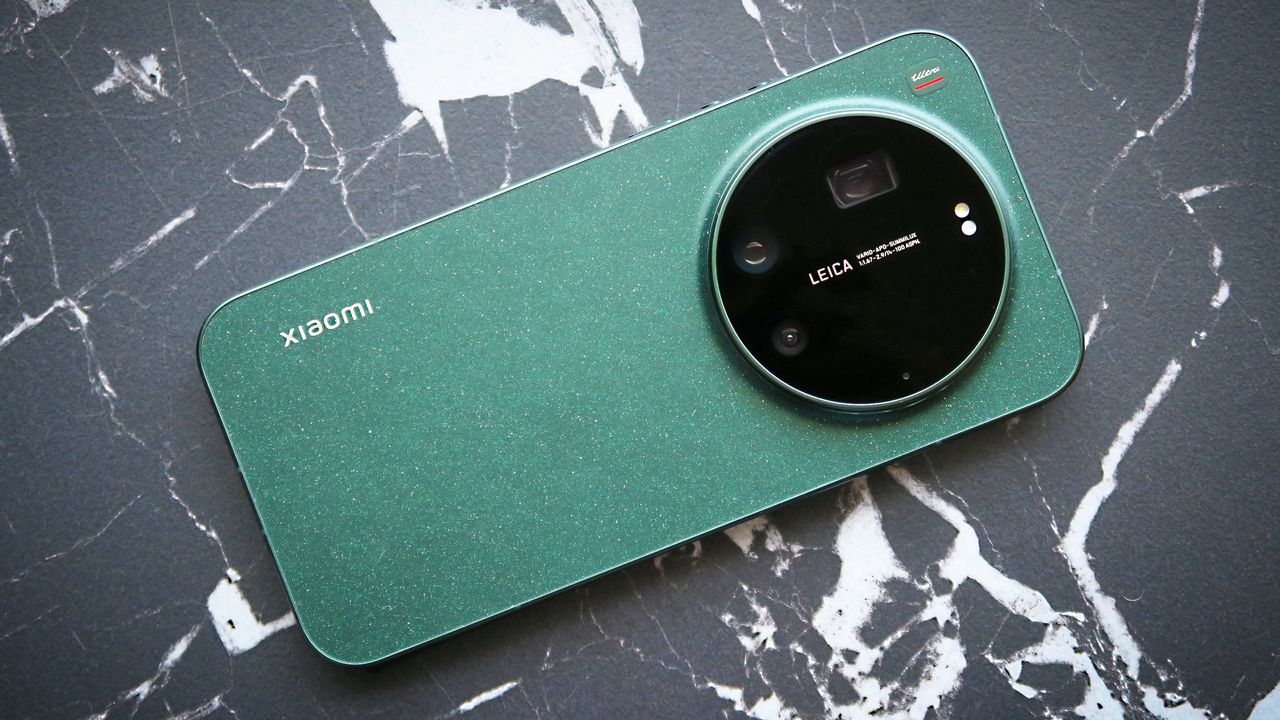
Nigerian buyers have specific reasons to be cautious about long-life claims on electronics. The country's power supply is unreliable in large parts of the market, and many users rely on frequent charging from generators, inverters or shared charging points rather than a single clean source.
Heat is also a factor, since high ambient temperatures place additional stress on lithium batteries over time. A battery life claim tested primarily in controlled conditions elsewhere may not hold up identically to Nigerian charging habits and climate. Xiaomi has not shared details on how its 1,600-cycle testing accounts for these conditions, and that is the first thing a skeptical buyer should ask about.
The six-year security update promise is arguably the more interesting part of the announcement, because software support is harder to fake and easier to verify over time. A battery claim takes years to prove wrong in a way most buyers will notice.
A missed security update is immediate and public. If Xiaomi delivers on this promise consistently, it will build a different kind of trust than a battery specification alone can offer, because every update will be a visible proof point along the way.
The 100W HyperCharge feature deserves separate attention from the battery capacity claim, because the two serve different needs. A large battery matters for people who cannot charge often during the day.
Fast charging matters for people who have very little time to charge at all. Pairing both in the same device covers two very different use cases, from a market trader with unreliable access to power through the day, to a commuter who only has twenty minutes at home before heading out.
The pricing of the lineup will ultimately decide how much of this message reaches the market Xiaomi is describing. A "Built for Years" promise matters most to buyers who are budget-conscious and cannot casually replace a device every two years. If the REDMI Note 17 Series prices itself into that exact segment, the longevity message becomes a genuine selling point rather than a marketing line aimed at buyers who would have upgraded anyway.
There is also a brand-building angle beyond this single launch. If the battery and update claims hold up over the next few years, REDMI Titan Quality becomes a standard that differentiates Xiaomi's mid-range lineup from competitors who focus purely on camera specifications or screen quality at launch.
If the claims do not hold up, the "Built for Years" message becomes the first thing critics point to in reviews two or three years from now, and it becomes harder for Xiaomi to make a similar claim again.
The honest verdict on this launch is that it cannot be judged today. The marketing is clear, specific and ambitious, and it is a genuinely different pitch from the usual camera-and-chip comparisons that dominate smartphone launches.
Whether it succeeds depends entirely on what Nigerian users experience eighteen months, three years and six years from now, under real charging habits, real heat and real daily use. Xiaomi has made a bold, measurable promise. The market will hold it to exactly that measurement.