Pepsi has turned its latest Big Brother Naija activation into something larger than a conventional sponsored task, bringing football, music, fashion and entertainment together under its global “Thirsty for More” platform.
The sixth sponsored task of BBNaija Season 11 took place on Day 27, with all 20 housemates divided through a lucky dip into four teams: Team Highlife, Team Afrobeat, Team Hip-Hop and Team R&B. The competition combined football challenges, music-based games, styling and live performance before Team Highlife emerged as the overall winner and collected the Pepsi Task trophy.
The activation is interesting because Pepsi did not treat the different elements as separate pieces of entertainment. Football provided the competitive structure, music shaped the team identities, fashion gave the housemates another way to express those identities, while the Half-Time Show turned the final stage of the task into a performance.
That combination fits increasingly well with where Pepsi is taking its brand internationally.
Pepsi Is Connecting Football to the Culture Around It
Football has become a more deliberate part of Pepsi's global marketing strategy in 2026. In March, the company launched Pepsi Football Nation, a multi-year platform designed around the idea that football culture extends beyond what happens during the 90 minutes of a match.
Pepsi's own positioning for the platform is built around fan rituals, music, food, conversations, rivalries and the everyday experiences surrounding football. Rather than treating football purely as a sporting property, the brand is positioning itself around the culture that develops around the game.
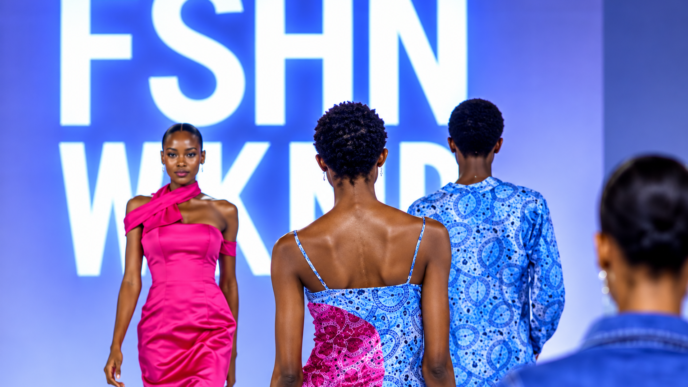
The BBNaija task gives that strategy a distinctly Nigerian expression. There was no football match for the housemates to simply recreate. Instead, the brand built football into a wider entertainment experience. The competition began with a penalty shootout before moving into “Guess the Groove” charades. The teams then entered the Pepsi Fashion Lab, where they had five minutes to accessorise their merchandise and create looks that reflected their identities before performing their dance routines during the Half-Time Show.
That structure matters because it allows Pepsi to participate in several cultural behaviours at once rather than asking audiences to think about the brand only in relation to a bottle of soft drink or a football match.
The Music Connection Makes the Activation More Relevant
Music remains one of Pepsi's strongest cultural territories in Nigeria, and naming the teams after Highlife, Afrobeats, Hip-Hop and R&B immediately placed that heritage at the centre of the task.
The choice also gave the housemates something more meaningful to perform around. Each team had an identity that could influence its styling, choreography and presentation, turning the competition into a creative exercise rather than a simple collection of branded games.
This is where the BBNaija environment becomes particularly useful for Pepsi. The show already operates at the intersection of entertainment, celebrity, music, fashion and competition, which means the brand does not have to manufacture an entirely new cultural context for its activation. Instead, it can insert itself into an environment where those behaviours already exist.
The “Thirsty for More” platform also gives the different elements a common strategic idea. Pepsi describes the broader platform around pursuing passions, choosing enjoyment and making everyday moments more exciting, while its football strategy similarly focuses on the emotional and cultural experiences that surround the sport.
The BBNaija task effectively brings those ideas together in one evening.
Why This Is More Than a Sponsored Task
The strongest part of the activation is the coherence between the brand's existing territories and the environment in which it has chosen to activate them.
Pepsi already has significant equity in music and entertainment. It is now building a more deliberate connection with football culture globally. BBNaija gives the brand a platform where those worlds naturally overlap, allowing football to become part of an entertainment experience rather than appearing as an isolated sponsorship property.
That distinction is important for brands operating inside long-running entertainment platforms. A three-month show creates repeated opportunities for visibility, but simply placing a logo inside the programme does not necessarily create a meaningful association. The more valuable strategy is to develop experiences that give the brand a role audiences can understand and remember.'
Pepsi's latest task does that by making the brand's cultural territories part of the mechanics of the experience itself.
Football determined part of the competition. Music determined the team identities. Fashion shaped how the teams presented themselves. Performance turned the final stage into entertainment. Team Highlife may have taken home the trophy, but Pepsi's larger objective was to make the brand feel at home across several of the cultural spaces its audience already cares about.
That is the real value of the activation: not simply putting Pepsi inside BBNaija, but using BBNaija to bring several parts of Pepsi's global and local brand strategy into the same cultural moment.