



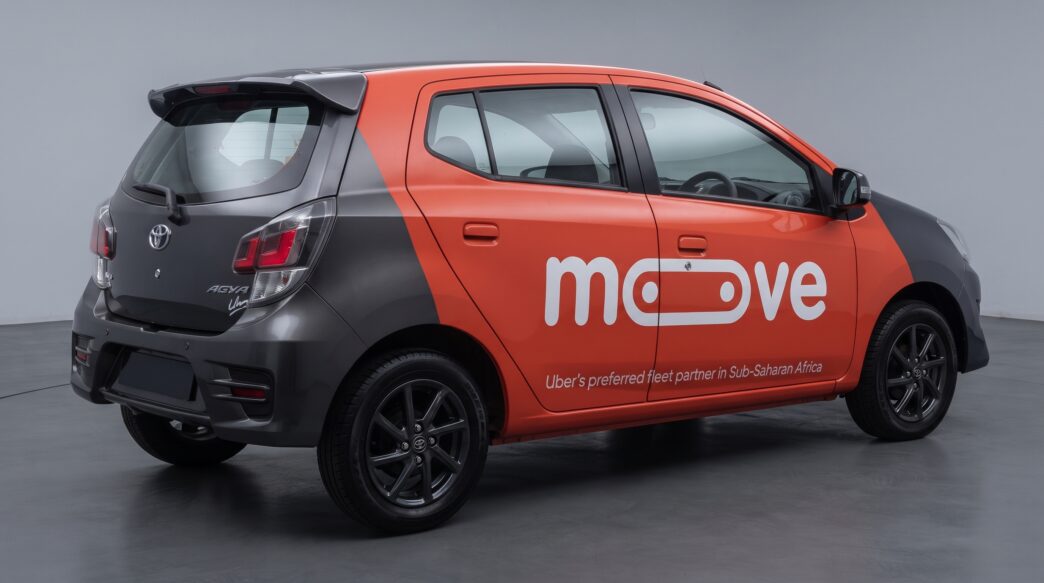
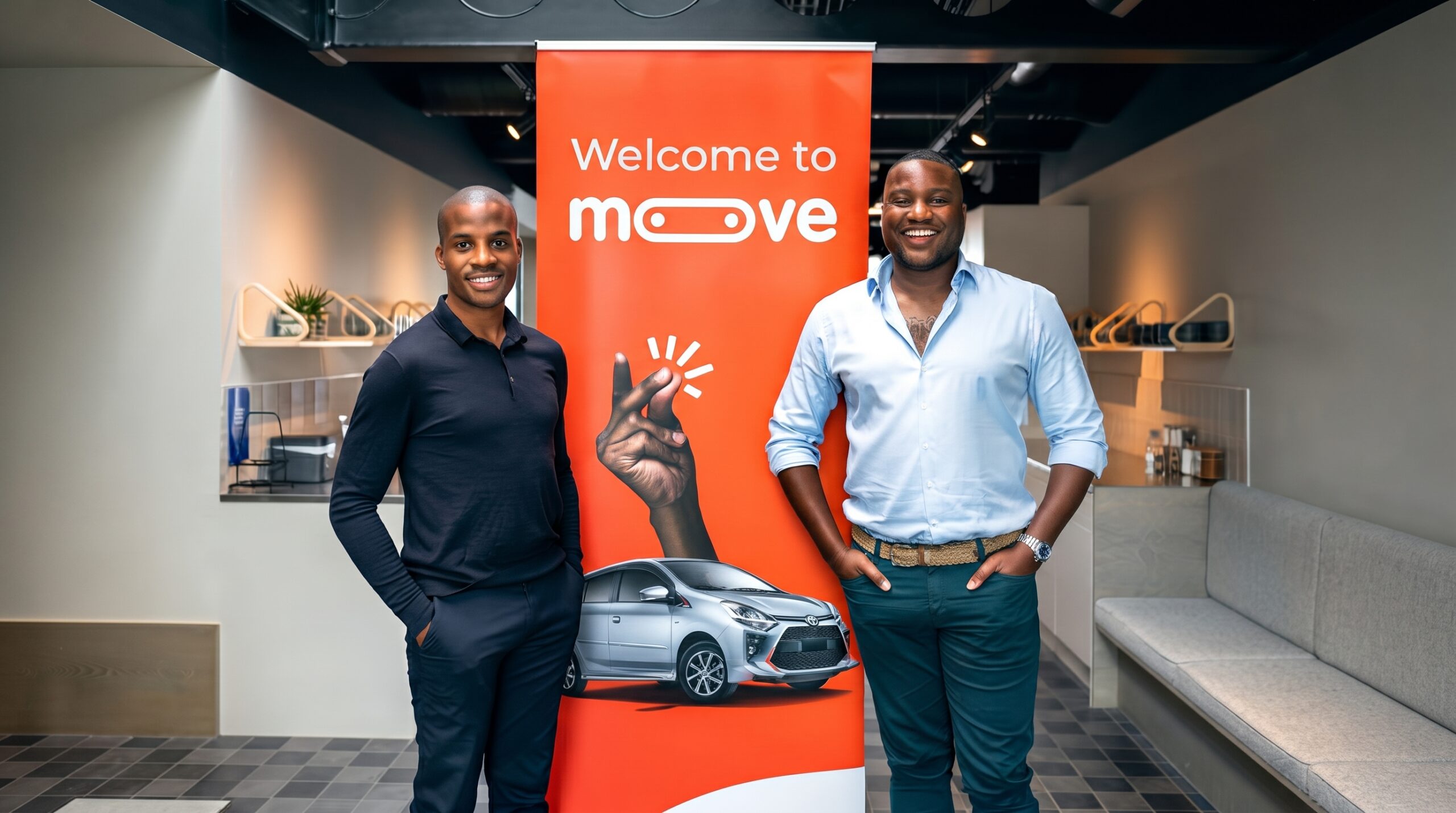
Moove has announced that it will end its operations in Nigeria six years after entering the market, transferring ownership of eligible vehicles worth approximately ₦35 billion to existing customers, who will own them outright without further payment to the company from October 1, 2026. It will also give cars to its staff members.
The decision is a generous gesture, one that deserves recognition, but the timing makes it more than a story about a company leaving a market. It comes just over a month after Uber stopped operating in Nigeria, and the two exits raise difficult questions about the economics of ride-hailing in the country.
Uber was a major contributor to Moove's growth, having led the company's $100 million Series B funding round in 2024 at a valuation of $750 million. Many of the drivers whose vehicles Moove financed depended on Uber's platform to find passengers and generate the income needed to repay their vehicles.
When a company's major investor and an important source of customer demand disappear from the same market, the business model built around that relationship comes under pressure.
Moove has not publicly stated the specific reasons behind its Nigerian exit, so it would be wrong to claim that Uber's departure directly caused the decision. Yet the timing exposes a relationship between vehicle financing and ride-hailing demand that the industry cannot afford to ignore.
Moove's Nigerian story is not one of a start-up that simply failed to gain traction. Founded in 2020 by Ladi Delano and Jide Odunsi, the company set out to address a real problem: many mobility entrepreneurs wanted to earn a living through ride-hailing but could not access the financing required to acquire vehicles.
Its Rental and Drive-to-Own model offered a route into the business for drivers who might otherwise have been excluded by the cost of vehicle ownership. From an initial fleet of 76 vehicles in Lagos, Moove grew into an international business with 42,000 vehicles across 29 cities worldwide.
In Nigeria, more than 9,000 customers used its rental and Drive-to-Own products, generating approximately ₦57 billion in revenue through Moove-financed vehicles.
Those figures show that there was demand for the service and that the company helped create economic opportunities for thousands of drivers. They also make the exit worth examining more closely.
A business can attract substantial investment, expand across markets and solve a genuine customer problem while still struggling to sustain its model under particular local conditions.
The question is not simply why Moove is leaving, since the company has not provided a detailed explanation, but what the wider circumstances reveal about the relationship between mobility financing, platform competition and the cost of earning a living in Nigeria.
Uber's own departure also needs to be understood in context. The company said its decision followed a review of its business and investment priorities across Africa, and it stated that the move was unrelated to the recent airport directive on e-hailing operations.
Its withdrawal from Nigeria, following an earlier exit from Tanzania, reflects a narrower operating footprint on the continent. That does not mean Nigeria is inherently an unworkable market, but it does show that global scale and brand recognition cannot guarantee that a business will continue investing in every market where it operates.
Uber's influence in Nigeria also extended beyond its share of completed rides. Although it reportedly held less than 20 per cent of the market, compared with Bolt's more than 66 per cent, its presence gave drivers and passengers another platform to consider.
Since arriving in Lagos in 2014, Uber helped popularise app-based ride-hailing, attracted investment into the sector and established a reference point for pricing, safety and service expectations. Its departure therefore removes more than one competitor; it reduces the options available to the people on both sides of the transaction.
That reduction is already becoming a concern for drivers. Bolt Comfort drivers in Lagos have reportedly switched off their air conditioning during rides to protest fares they consider unsustainable, with some drivers saying the pressure became more noticeable after Uber announced its exit.
Their argument is that reduced competition gives the remaining platforms greater room to determine the terms of engagement. While this does not establish that Uber's departure alone caused the fare dispute, it highlights the sensitivity of driver earnings to changes in the competitive environment.
The protests have also brought wider demands into view. Drivers want fares that account for traffic delays and waiting time, clearer explanations of deductions, consultation before platforms change fares or subscription arrangements, and trip statements showing what passengers paid, what the platform retained and what drivers received. These are not minor administrative complaints. They concern the distribution of revenue in a business where the platform controls access to customers and much of the information used to calculate earnings, while drivers carry substantial operating costs.
The economics become particularly difficult when those costs are considered together. Fuel prices rose following the removal of Nigeria's petrol subsidy, inflation increased the cost of vehicle maintenance and spare parts, and currency volatility raised the cost of vehicles and imported components.
In Lagos, traffic can also turn a trip that appears profitable on paper into hours of work for a relatively modest return. Drivers must cover fuel, repairs, insurance, platform charges and, in financed arrangements, vehicle repayments from the same pool of earnings. When fares decline while expenses rise, the margin available to the driver becomes thinner.
For a financing company such as Moove, this creates a risk it cannot fully control. The company can provide the vehicle and establish a repayment structure, but it does not independently determine the fares drivers earn on the platforms where they find passengers.
If competition between ride-hailing platforms pushes prices down without a corresponding reduction in operating costs, drivers may struggle to meet their repayments.
The financing model and the fare model are therefore connected, even though they are managed by different businesses.This is a structural issue for the industry. Vehicle financing assumes that drivers can generate enough income to meet their obligations over time, while ride-hailing platforms have incentives to attract passengers through competitive pricing and manage their own commercial costs.
Those interests can coexist, but only if the economics leave sufficient room for drivers to operate sustainably. When they do not, the pressure moves through the system, affecting repayments, driver retention, service quality and ultimately the experience passengers receive.
Local market understanding becomes important here. Nigeria's ride-hailing sector has developed around strong price sensitivity, varying levels of trust in pricing and a cost environment that can change quickly.
InDrive has built its proposition around allowing drivers and passengers to negotiate fares, while LagRide has established a state-backed alternative in Lagos. Drivers are also discussing the possibility of an indigenous platform, with the union's Lagos chairman asking members for patience while work continues on one.
These alternatives suggest that participants are still looking for a model that balances affordability for passengers with viable earnings for drivers.
However, an indigenous platform will not automatically solve the problem simply because it is locally developed. It will still need to cover operating costs, attract enough passengers, retain drivers, maintain service standards and establish trust.
Local knowledge can help a business understand the market, but it must be translated into a model that works financially for everyone involved.
The same applies to the existing platforms: market leadership offers an advantage, but it does not remove the need to maintain the confidence of the people whose vehicles and labour keep the service running.
Passengers may feel the consequences of a more concentrated market gradually. Fewer platforms mean fewer alternatives when prices rise, drivers become unavailable or a service fails to meet expectations.
The impact may not be immediately visible on every journey, but competition provides consumers with options and gives platforms a reason to improve their offers.
When those alternatives disappear, the remaining companies face a different competitive environment, and the quality of their response becomes more consequential.

Bolt will therefore need to consider how it responds to driver dissatisfaction, particularly around fares, commissions and transparency.
InDrive will need to show that its emphasis on negotiation and driver choice can support lasting trust while remaining commercially sustainable.
Any new local entrant will have to demonstrate that it can provide a credible alternative without repeating the same financial pressures that are already troubling the market.
None of these outcomes is guaranteed, and each depends on the commercial choices the companies make and the way they engage with drivers.
Moove's departure deserves separate attention because of how the company has chosen to handle its exit. Transferring eligible vehicles worth about ₦35 billion to customers and giving cars to staff members offers a measure of protection to people who depended on the business.
For drivers who receive full ownership of their vehicles, the end of repayments can immediately improve the amount of income they retain from their work. It is a tangible gesture that gives substance to the company's relationship with the people who helped build its Nigerian operations.
Yet vehicle ownership does not remove the challenges of operating in ride-hailing. Drivers will still need to pay for fuel, insurance and maintenance, and they will still depend on platforms to connect them with passengers.
Removing the repayment burden can make the business more manageable, but it does not change the fares available, the commissions charged or the time lost in traffic.
The handover improves the driver's financial position; whether it leads to a more sustainable livelihood will depend on what happens in the market after Moove leaves.
There is also a brand lesson in how these developments affect the customer experience. In ride-hailing, the platform's brand is experienced largely through the driver, not through the company's head office.
Passengers encounter the person behind the wheel, the condition of the vehicle, the journey and the way problems are handled. If drivers feel that the economics of the platform leave them unable to provide the service passengers expect, that dissatisfaction can become visible in the ride itself.
Drivers switching off their air conditioning may begin as a protest over earnings, but passengers experience it as a service problem and may associate that experience with the platform.
This is why driver relations cannot be treated as a separate operational matter with no connection to brand reputation. A platform may spend heavily to acquire customers and communicate reliability, convenience and safety, but those promises depend on the people delivering the service.
If the relationship with drivers deteriorates, the brand can suffer in ways that advertising cannot easily repair. Fairer terms, transparent calculations and meaningful consultation are not only labour concerns; they can also help protect service quality and customer confidence.
The exits of Uber and Moove should therefore prompt the remaining players to examine the assumptions on which their businesses operate. Scale, funding and global experience matter, but they cannot compensate indefinitely for a model that does not account for local costs and the realities of the people delivering the service.
Nor should the departure of two established companies be taken as proof that the market cannot support ride-hailing. It is a warning that the terms on which the market operates need closer attention.
The future of Nigeria's ride-hailing industry will depend on whether the remaining platforms can make the service affordable for passengers while allowing drivers to earn enough to stay on the road.
That requires more than competing on fares or attracting users through promotions. It requires a clearer understanding of the economics of each trip, greater transparency around deductions and a recognition that drivers are not simply a supply pool to be managed at the lowest possible cost.
They are central participants in the business, and their willingness to keep working shapes the service every passenger receives.Uber has left, and Moove is following, but the deeper problem remains unresolved.
The market still needs a model that can support customers, drivers, financing partners and platform operators without placing the greatest pressure on the people with the least control over the terms.
Until the industry can answer that question convincingly, the companies that remain will have to do more than compete for market share; they will have to prove that ride-hailing in Nigeria can work as a sustainable business for the people who make it possible.