

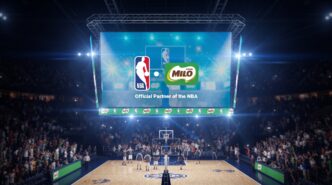
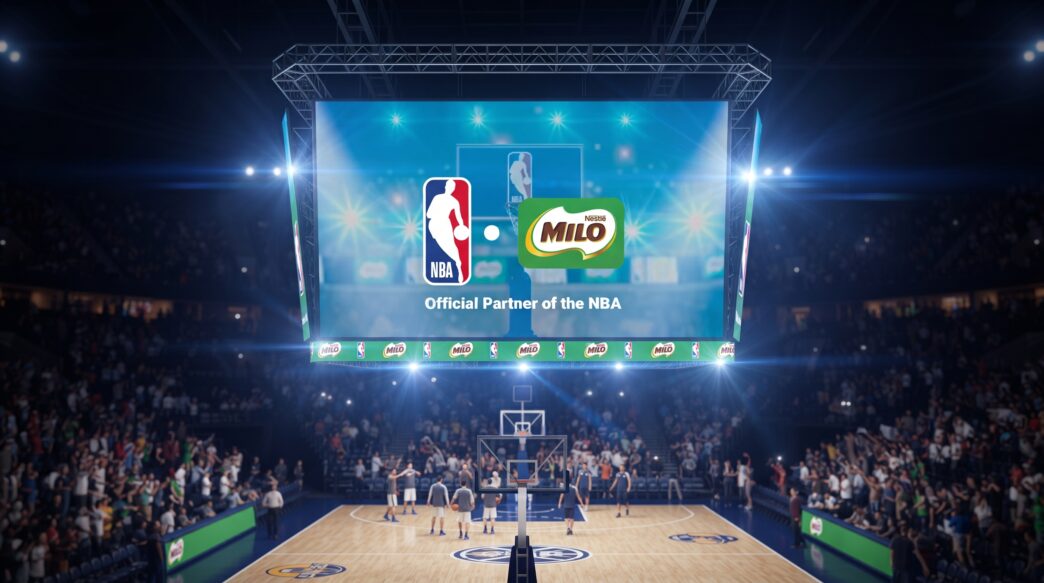
Nestlé’s new multi-year partnership with the National Basketball Association (NBA) is more than a sports sponsorship.
It is a move to bring three established beverage brands into a shared global marketing platform, using basketball to connect with young consumers and families across 21 markets, including Nigeria. The agreement, which takes effect on January 1, 2027, makes Milo, Nescau and Nesquik official NBA partners, and Nestlé describes it as its largest international brand collaboration to date.
The interesting part of the deal is not simply the NBA’s global reach, but how Nestlé intends to use that reach across brands and markets with different consumer habits, cultural contexts and levels of sporting engagement.
For marketers, it raises a practical question: how can a global partnership create value across several countries without becoming a generic campaign that looks the same everywhere? Nestlé’s answer appears to be a combination of shared scale and local relevance.
Instead of having each brand pursue separate sports partnerships in every market, the company can use one major platform to create visibility, access basketball programmes and build consumer experiences across several regions.
This gives the brands a common foundation while allowing local teams to connect the partnership to existing programmes and audience interests.
That approach can make marketing investment more efficient, particularly for a company managing multiple brands across international markets. A major sports property can provide access to events, athletes, youth programmes, fan communities and retail opportunities that would be difficult to assemble independently in every country.
However, the commercial value does not come from the size of the partnership alone. It depends on whether the brands can turn that access into meaningful consumer engagement, stronger brand associations and measurable business outcomes.
Nigeria is an important market to watch because Milo is not entering basketball through an unfamiliar route. The brand has supported youth basketball development in the country for more than two decades through the Milo Basketball Championship.
That history gives Nestlé something valuable that global visibility cannot automatically create: an established connection with a local sporting community.
The NBA partnership can build on that foundation by giving Milo's existing basketball association a wider international context. The championship provides local relevance, while the NBA brings a globally recognised sporting platform that can extend the brand's visibility and create new experiences for young players, families and basketball fans. In strategic terms, Nestlé is not starting from zero in Nigeria; it is connecting an established local asset to a much larger platform.
This is where the partnership becomes particularly relevant to brand managers. Global sponsorships are often attractive because of their reach, but reach is not the same as relevance.
A brand can pay for association with a major sporting property and still struggle to translate that association into consumer preference if the campaign feels distant from people's everyday experiences.
Milo's existing relationship with youth basketball gives Nestlé a practical way to connect the NBA partnership to something Nigerian consumers can recognise.
The planned activations also extend beyond traditional sponsorship visibility. Nestlé and the NBA intend to engage audiences through youth development platforms such as Jr. NBA and Jr. WNBA, NBA Basketball School, coaching academies, Her Time To Play and NBA 3X.
The partnership will also include selected NBA events, fan engagement activities and retail programmes, including on-pack promotions and opportunities to win tickets, merchandise and other prizes.
This mix matters because each activation can serve a different purpose. Youth programmes can create participation and familiarity, retail promotions can influence purchase decisions, and fan experiences can deepen consumers' emotional connection with the brands.
Rather than relying only on logos and advertising, Nestlé has an opportunity to connect the partnership to activities that consumers can experience directly.
There is also an opportunity to widen participation in basketball, particularly among girls and young women, through platforms such as Jr. WNBA and Her Time To Play. If these programmes are supported with meaningful local execution, the partnership can reach audiences beyond the traditional core of basketball fans.
For Milo, that could help connect its longstanding youth-sports positioning with a broader group of young consumers and families.
However, the partnership's success will depend on what happens after the announcement. Nestlé has not yet shared detailed Nigerian activation plans, and the agreement does not begin until January 2027.
The opportunity is clear, but the eventual results will depend on the quality of local execution, the consistency of the programmes and the extent to which the partnership reaches people beyond those who already follow basketball.
The company will also need to measure more than impressions, social media engagement or attendance at sponsored events. These figures can show that a campaign has attracted attention, but they do not automatically establish whether it has strengthened brand preference or contributed to sales.
Useful measures could include participation and repeat attendance in youth programmes, consumer response to retail promotions, changes in brand consideration among target audiences and sales performance in markets where activations take place.
The right measures will depend on the objectives of each activity. For Nigeria, there is a further question about continuity. A large international partnership can generate excitement at launch, but the long-term value will come from connecting that excitement to programmes that remain relevant throughout the year.
Milo already has a local basketball platform that can support this effort, giving Nestlé an opportunity to make the NBA association part of an ongoing consumer experience rather than a temporary marketing moment.
Nestlé's partnership with the NBA demonstrates the value of combining global reach with existing local brand equity. The NBA provides scale, while Milo's history in Nigerian youth basketball offers a foundation for relevance.
The task now is to make those two assets work together in ways that consumers can experience and the business can measure.
The announcement establishes the platform, but the quality of the work carried out across individual markets will determine whether the partnership becomes a lasting brand investment or simply another high-profile sponsorship.